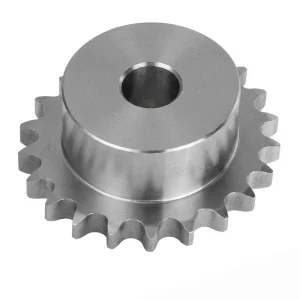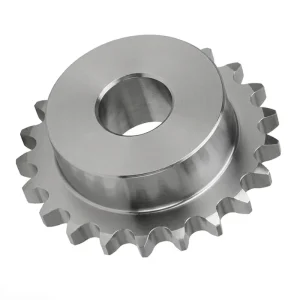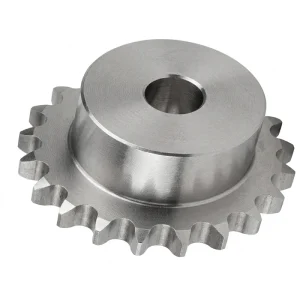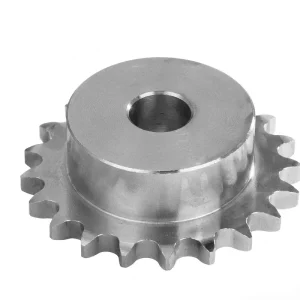
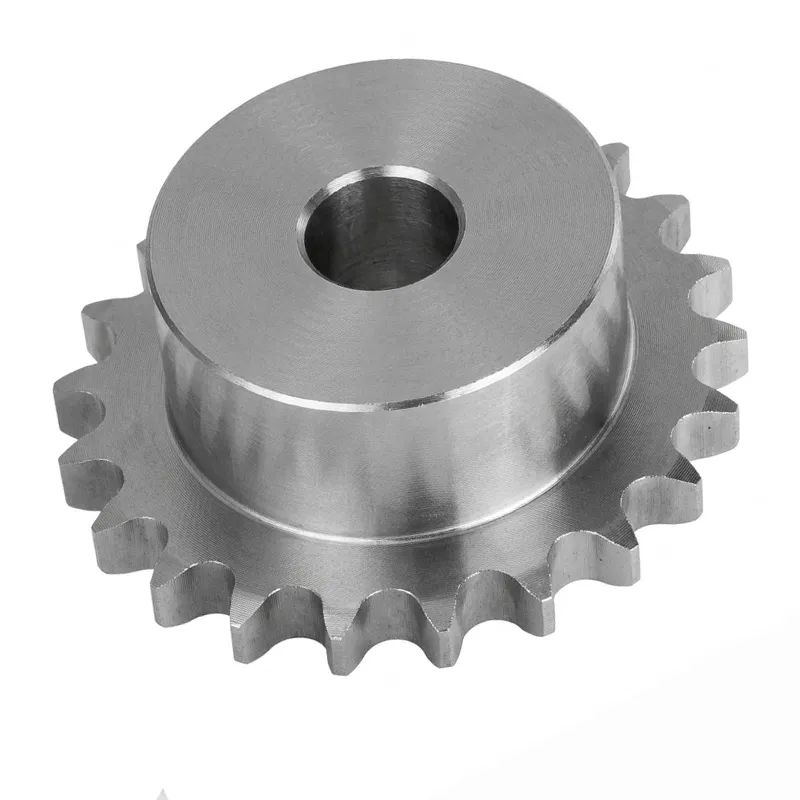
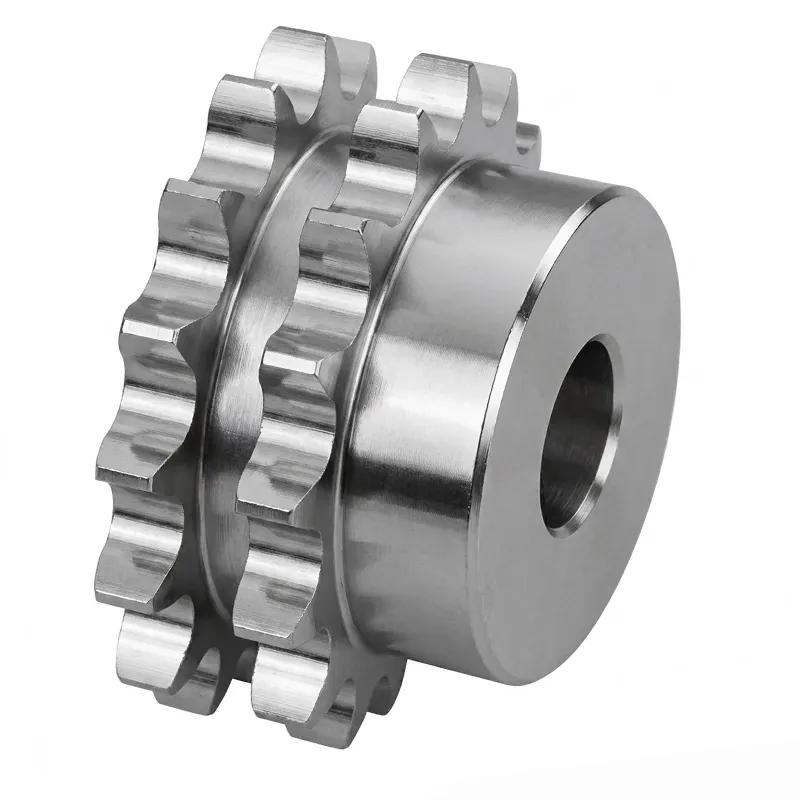
EP-3/8″×7/32″ European Sprockets
The EP-3/8″×7/32″ is designated 06B-1-2-3 in the European standard sprocket classification system — meaning the same dimensional series is produced in three strand configurations: simplex (single-strand, 06B-1), duplex (double-strand, 06B-2), and triplex (triple-strand, 06B-3). This flexibility makes the 3/8″ pitch one of the most widely used sizes in European industrial chain drive systems, covering a broad spectrum of torque and load requirements within a compact sprocket diameter range.
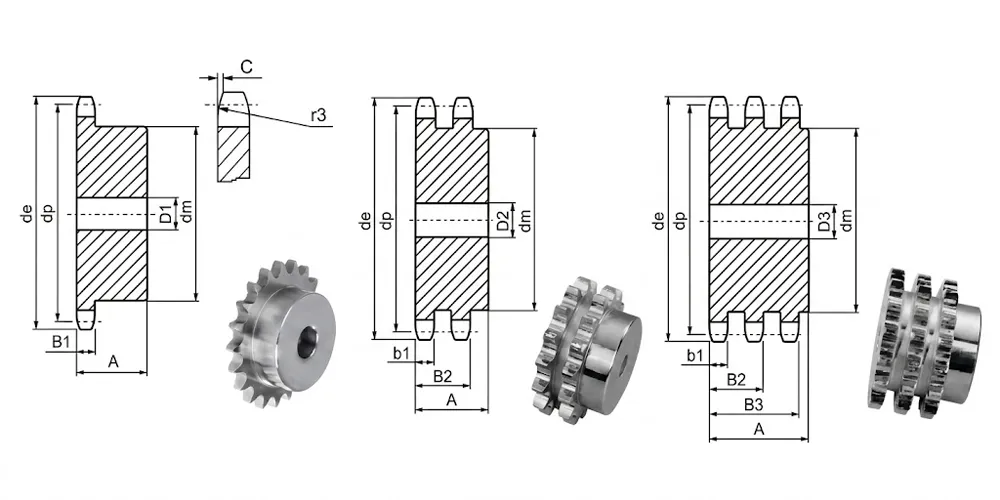
Chain compatibility follows DIN 8187 and ISO/R 606, with a pitch of 9.525 mm, internal chain width of 5.72 mm, and roller diameter of 6.35 mm. These values govern the tooth pocket geometry, ensuring that each sprocket engages the chain rollers with the correct seating radius and clearance. The tooth radius r₃ is 10 mm, radius width C is 1 mm, and simplex tooth width B₁ is 5.3 mm — expanding to 15.4 mm for duplex (B₂) and 25.6 mm for triplex (B₃) configurations. This consistent geometric progression simplifies engineering calculations when upgrading from single-strand to multi-strand drives to increase load capacity without changing shaft centres.
Material throughout the standard range is C45 medium-carbon steel, chosen for its balance of machinability and hardenability. From Z=65 onward, the boss diameter transitions to a weld-on hub configuration (indicated by the asterisk in the dimension table), which accommodates the larger shaft diameters needed in heavier-duty drive positions.
European Standard Sprockets Series
EP-3/8"×7/32" European Sprockets
Built to DIN 8187 and ISO/R 606 chain standards, the 3/8"×7/32" (06B-1-2-3) European Sprockets series covers simplex, duplex, and triplex configurations from Z=8 through Z=125. With a 9.525 mm pitch and C45 carbon steel construction throughout, these roller chain sprockets are a first-choice solution for medium-duty industrial drives — and a reliable replacement source for European-built equipment operating across global markets, including Colombia and the broader Latin American industrial sector.
1. Technical Specifications — 06B-1-2-3 (3/8"×7/32") European Sprockets
The following table lists key dimensional data for the 06B European Standard Sprockets in simplex, duplex, and triplex configurations. Outer diameter (dₐ), pitch diameter (dₚ), boss diameter (Dₑ), hub width (A), and strand-specific bore dimensions are given in millimetres. Rows marked * indicate weld-on hub configurations applicable from Z=65 onward.
Tooth radius r₃: 10
Radius width C: 1
Tooth width B₁ (simplex): 5.3
Tooth width b₁: 5.2
Tooth width B₂ (duplex): 15.4
Tooth width B₃ (triplex): 25.6
Pitch: 9.525
Internal width: 5.72
Roller Φ: 6.35
Chain acc. to DIN 8187
ISO/R 606
Designation: 06B-1-2-3
Material: C45 steel
*Weld-on hub (Z≥65)
| Z | dₐ (mm) | dₚ (mm) | S: Dₑ | S: D₁ | S: A | D: Dₑ | D: D₂ | D: A | T: Dₑ | T: D₃ | T: A |
|---|---|---|---|---|---|---|---|---|---|---|---|
| SIMPLEX | DUPLEX | TRIPLEX | |||||||||
| 8 | 28.0 | 24.89 | 15 | 8 | 20 | 15 | 8 | 22 | 15 | 8 | 32 |
| 9 | 31.0 | 27.85 | 18 | 8 | 20 | 18 | 8 | 22 | 18 | 8 | 32 |
| 10 | 34.0 | 30.82 | 20 | 8 | 20 | 20 | 8 | 22 | 20 | 10 | 32 |
| 11 | 37.0 | 33.80 | 22 | 8 | 25 | 22 | 10 | 25 | 22 | 10 | 35 |
| 12 | 40.0 | 36.80 | 25 | 8 | 25 | 25 | 10 | 25 | 25 | 10 | 35 |
| 13 | 43.0 | 39.79 | 28 | 10 | 25 | 28 | 10 | 25 | 28 | 10 | 35 |
| 14 | 46.3 | 42.80 | 31 | 10 | 25 | 31 | 10 | 25 | 31 | 12 | 35 |
| 15 | 49.3 | 45.81 | 34 | 10 | 25 | 34 | 10 | 25 | 34 | 12 | 35 |
| 16 | 52.3 | 48.82 | 37 | 10 | 25 | 37 | 12 | 30 | 37 | 12 | 35 |
| 17 | 55.3 | 51.83 | 40 | 10 | 28 | 40 | 12 | 30 | 40 | 12 | 35 |
| 18 | 58.3 | 54.85 | 43 | 10 | 28 | 43 | 12 | 30 | 43 | 12 | 35 |
| 19 | 61.3 | 57.87 | 45 | 10 | 28 | 46 | 12 | 30 | 46 | 12 | 35 |
| 20 | 64.3 | 60.89 | 46 | 10 | 28 | 49 | 12 | 30 | 49 | 12 | 35 |
| 22 | 71.0 | 66.93 | 50 | 12 | 28 | 55 | 12 | 30 | 55 | 14 | 40 |
| 25 | 80.0 | 76.00 | 57 | 12 | 28 | 64 | 12 | 30 | 64 | 14 | 40 |
| 30 | 94.7 | 91.12 | 60 | 12 | 28 | 79 | 12 | 30 | 79 | 14 | 40 |
| 35 | 110.4 | 106.26 | 65 | 14 | 30 | 80 | 16 | 30 | 85 | 16 | 40 |
| 40 | 125.5 | 121.40 | 70 | 14 | 30 | 90 | 16 | 30 | 90 | 16 | 40 |
| 45 | 140.7 | 136.55 | 78 | 14 | 32 | 90 | 16 | 40 | 90 | 16 | 56 |
| 50 | 155.7 | 151.69 | 78 | 14 | 32 | 90 | 16 | 40 | 90 | 16 | 56 |
| 57 | 176.9 | 172.91 | 78 | 14 | 32 | 90 | 16 | 40 | 90 | 16 | 56 |
| 64 | 198.2 | 194.12 | 78 | 14 | 32 | 90 | 16 | 40 | 90 | 16 | 56 |
| *65 | 201.6 | 197.15 | *78 | 14 | 32 | *90 | 16 | 40 | *90 | 16 | 56 |
| *72 | 222.8 | 218.37 | *78 | 14 | 32 | *90 | 16 | 40 | *90 | 16 | 56 |
| *80 | 247.1 | 242.61 | *80 | 14 | 32 | *90 | 16 | 40 | *90 | 16 | 56 |
| *90 | 277.4 | 272.93 | *80 | 14 | 32 | *90 | 16 | 40 | *90 | 16 | 56 |
| *100 | 307.7 | 303.25 | *80 | 14 | 32 | *90 | 16 | 40 | *90 | 16 | 56 |
| *114 | 349.5 | 345.68 | *80 | 14 | 32 | *90 | 16 | 40 | *90 | 16 | 56 |
| *125 | 383.5 | 379.02 | *80 | 14 | 32 | *90 | 16 | 40 | *90 | 16 | 56 |
S=Simplex, D=Duplex, T=Triplex. All dimensions in millimetres. * Weld-on hub. Tolerances per DIN 8187 / ISO/R 606.
2. Five Key Advantages
① Simplex, Duplex, and Triplex in One Series
The 06B designation covers three strand widths in a single dimensional family. Engineers upgrading drive capacity can switch from simplex to duplex or triplex European sprockets without changing shaft centres or chain pitch — a significant advantage over sourcing three separate series. Our stock spans all three strand types across the full Z=8–125 tooth range, reducing lead times for OEM and MRO procurement teams.
② DIN 8187 and ISO/R 606 Verified Tooth Profile
Every sprocket in this range is machined and verified to DIN 8187 / ISO/R 606 dimensional requirements. The tooth radius, gullet geometry, and pitch tolerance are checked by coordinate measurement before release — giving procurement engineers the assurance that replacement sprockets and chains will integrate without field adjustment, whether the original equipment was sourced from a sprockets germany factory or a domestic machine builder following European chain standards.
③ C45 Steel with CNC Precision Machining
Standard material is C45 medium-carbon steel, heat-treated to achieve tooth flank hardness in the HRC 45–55 range while maintaining a tough, shock-absorbing core. All tooth profiles are cut on CNC hobbing and milling centres, eliminating the form errors that conventional manual processes can introduce. This machining discipline is what distinguishes certified industrial chains and sprockets europe factory output from commodity castings sold without dimensional documentation.
④ Weld-On Hub Option for Large Tooth Counts
From Z=65 onward, the dimensional table transitions to a weld-on hub configuration. This engineering choice allows large-diameter custom sprockets and gears to be mounted onto fabricated or machined hubs sized to match any shaft requirement — removing the bore diameter limitation that applies to conventional machined-bore designs. For heavy industrial replacements where original hub dimensions are non-standard, this option provides a direct engineering path without bespoke casting lead times.
⑤ Immediate Stock Dispatch and Custom OEM Capability
Standard stock bore sprockets are available for same-week dispatch. For OEM programmes requiring specific bore, keyway, or surface treatment specifications, our engineering team delivers fully machined components to drawing. This dual capability — off-the-shelf stock plus engineered-to-order manufacturing — is what allows us to serve both urgent replacement orders and planned production programmes without splitting the supplier base.
3. How These European Sprockets Transmit Power
The operating principle of a roller chain sprocket is straightforward but demands exacting geometry to function reliably under sustained load. As the sprocket rotates, each tooth enters the chain from below, lifting a roller out of the preceding link and seating it in the current tooth pocket. The roller is held in position by the tooth flanks — the two curved surfaces that form the gullet — while the sprocket continues to rotate, pulling the chain forward. When the tooth exits the load zone, it releases the roller cleanly without dragging or impact, provided the tooth form is within specification.
In the 06B series, the 9.525 mm pitch governs the angular spacing between tooth centres on the sprocket. For a given tooth count, this pitch determines the pitch circle diameter (dₚ) and the outer diameter (dₐ), both tabulated above. The relationship between these two diameters and the chain roller diameter — 6.35 mm in the 06B standard — defines how much clearance exists between the roller and the tooth pocket walls. Too tight, and thermal expansion or dimensional variation causes jamming; too loose, and the chain rattles in the pockets at speed. DIN 8187 defines the tolerance band that keeps this clearance within the working window across the full tooth count range.
For the double chain sprocket gear (duplex) and triplex configurations, the geometry repeats across additional strands separated by the inter-strand distance specified in ISO/R 606. Because all strands share the same pitch diameter, load distribution across strands is even — provided the multi-strand chain is manufactured to the matching standard. Mixing standards across strands — for example, using a DIN chain on one strand and an ANSI chain on another — destroys this load balance and should be avoided. This is a common source of premature sprocket wear in field applications where chain replacement was carried out without verifying sprocket standards.
4. Material Specification and Surface Treatment
The standard material for the EP-3/8"×7/32" European Sprockets range is C45 medium-carbon steel per DIN EN 10083-2 (equivalent to AISI 1045). This alloy sits in the mid-range of carbon content — high enough to accept induction surface hardening to achieve tooth flank hardness in the HRC 45–55 bracket, yet low enough to retain a tough, ductile core that absorbs the shock loading typical of chain drives operating under variable load. The combination of hard surface and tough core is what defines a sprocket built for industrial service life rather than laboratory test conditions.
Surface treatments available for the standard carbon steel range include black oxide (also known as blackening or black kettenrad zahnrader finish), which provides moderate corrosion resistance with a dimensionally negligible coating thickness — critical when bore-to-shaft clearances are precise. For outdoor agricultural drives and conveyor applications in humid tropical climates such as those encountered across Colombia, zinc phosphate with a light oil top-coat is a practical alternative that provides superior rust inhibition during storage and transit before installation.
For environments where material contamination from steel corrosion products is unacceptable — food processing lines, pharmaceutical manufacturing, and certain chemical handling systems — stainless steel sprockets and gears manufactured from AISI 316L are available as a direct-replacement option. The tooth geometry and dimensional tolerances remain identical to the carbon steel series, meaning chain tension and centre distance settings do not change on material substitution. Plastic sprockets and gears in acetal (POM) are also available for the lowest-load sub-range, suitable for dry, clean-room, or noise-sensitive drives where even stainless steel is considered overspecified.
5. Application Scenarios of European Sprocket
The 3/8" pitch sits at a useful crossover between the light-duty 1/4" and 1/2" medium-duty sizes, making the 06B series suitable for a wider variety of industrial applications than either adjacent pitch. Below are the sectors where these European sprockets are most commonly specified.
Industrial Conveyor Systems
Medium-speed belt feeders, pallet conveyors, and cross-transfer units in manufacturing plants frequently use the 06B simplex or duplex configuration to drive conveyor rollers from a central gearbox output shaft. The higher chain pitch compared to the 1/4" series allows greater load capacity per strand, while the compact sprocket diameters from Z=8 to Z=20 keep the drive envelope small enough to fit standard conveyor frame profiles. Industrial sprockets and gears in this range are among the most frequently replaced components in warehouse automation systems.
Agricultural Machinery — Colombia and Latin America
In Colombia, the 06B European sprocket series is a preferred replacement component for European-built harvesters, soil conditioners, and seed drills that entered the market under agricultural machinery import programmes. The DIN 8187 chain standard is widely used in this equipment, and locally sourced replacement kettenrad zahnrader components that meet the same standard eliminate the tolerancing issues that arise when non-conforming substitutes are used. Buyers looking for european sprockets for sale in the Colombian market should specify 06B-1 or 06B-2 according to the original machine documentation.
Food and Beverage Processing Lines
Bottling lines, can-seaming machines, and tray-handling systems frequently use the 06B duplex configuration to drive heavy product-laden conveyors. In wash-down zones, stainless steel variants of these chain gears and sprockets are specified to meet sanitation standards. The duplex and triplex options within the same dimensional series allow designers to uprate drive capacity during machine upgrades without altering the overall drive geometry — a significant advantage in plants where downtime for engineering modifications is tightly restricted.
Printing and Paper Handling Equipment
Sheet-fed offset presses, web-fed reel unwinders, and folder-gluers use chain drives to synchronize multiple working units at precise speed ratios. The 06B European sprocket provides the pitch accuracy and tooth form quality required to maintain phase synchronisation across long drive chains without introducing the pitch errors that would otherwise cause registration drift. Simplex configurations are preferred in narrow-press configurations; duplex sprockets are used on wider machines where torque per strand would otherwise stress the simplex chain beyond its rated capacity.
Textile Machinery
Knitting machines, warp beam drives, and dyeing machine agitators use small-pitch roller chain sprockets to drive multiple working shafts from a common motor. The size kettenrad zahnrader range from Z=13 to Z=25 covers the gear ratio increments most commonly needed in textile drive trains, and the wide availability of stock bore sizes in this range minimises machining time for replacement installations. The 9.525 mm pitch handles the moderate torque levels of textile drives without the noise and vibration associated with coarser-pitch chain in compact machine frames.
Construction and Material Handling Equipment
Concrete mixer drum drives, mobile screening plant conveyors, and compact crawler undercarriages use the triplex 06B configuration to handle the high torque and shock loads typical of construction site conditions. The weld-on hub option available from Z=65 upward allows large-diameter sprockets to be fitted to fabricated steel shafts on site, giving maintenance teams in remote locations a practical path to field replacement without precision machining facilities. This is one of the few sprocket series where the best european sprockets designation genuinely applies to construction-grade demands.
6. Regulatory Standards and Compliance
Industrial sprockets and gears placed into service across different markets are subject to the machinery safety and materials standards of each jurisdiction. The following frameworks govern purchasing and specification decisions for European sprockets in the regions we serve.
EU Machinery Directive 2006/42/EC
All transmission components, including chain sprockets, installed in machinery placed on the European market are covered by this Directive. CE marking of the host machine requires that transmission components meet the essential health and safety requirements. Specifying DIN 8187 / ISO/R 606 conformant European sprockets is the foundational step toward demonstrating compliance with the relevant harmonised standard EN ISO 4414 (for pneumatic) and EN 953 (for safeguarding), among others.
DIN 8187 / ISO/R 606 — European Chain Standard
The definitive standard for short-pitch precision roller chains and their sprockets in European markets. It specifies chain geometry, material, and test requirements, as well as the corresponding sprocket tooth profile and dimensional tolerances. All sprockets in our 06B series are produced and verified to DIN 8187, with documentation available for inclusion in machine technical files.
Colombia — NTC Standards and INVIMA
Colombian industrial buyers sourcing sprocket and gear components must comply with applicable Icontec NTC standards for mechanical components, and in food and pharmaceutical sectors, additional oversight from INVIMA (Instituto Nacional de Vigilancia de Medicamentos y Alimentos) applies to materials in contact with food or drug products. Our stainless steel sprocket range meets the material requirements applicable under these frameworks, with AISI 316L grade materials available with test certificates.
DGUV Rules — Germany and EEA
Germany's DGUV (Deutsche Gesetzliche Unfallversicherung) publishes occupational safety rules requiring that power transmission drives, including chain-and-sprocket assemblies, are designed and maintained to prevent hazardous contact. For sprockets germany and wider EEA markets, this means that all replacement components used in guarded chain drives must meet the original dimensional specification — a requirement our DIN 8187 verified components satisfy directly.
REACH and RoHS (EU)
C45 carbon steel and AISI 316 stainless steel are inherently RoHS compliant. For coated components, we provide REACH SVHC declarations to support the environmental compliance documentation required by EU procurement specifications. These declarations are included with batch documentation for orders destined for regulated end-use sectors.
EU Food Contact Regulation (EC) 1935/2004
For food-adjacent applications, AISI 316 stainless steel sprockets satisfy the material suitability requirements for incidental food contact under EU Regulation 1935/2004. This designation is required by food plant OEMs specifying chain drive components for meat processing, dairy, and produce handling lines across European and export markets.
7. About the European Sprocket Manufacturer
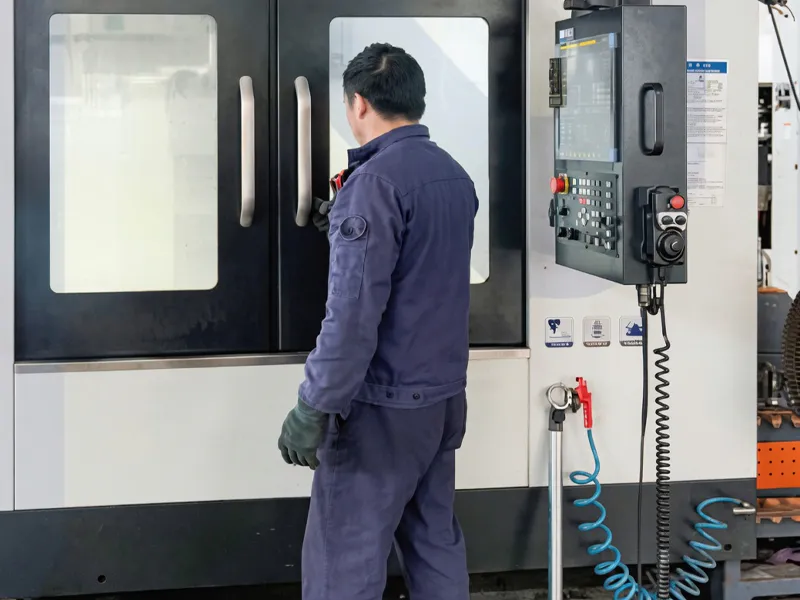
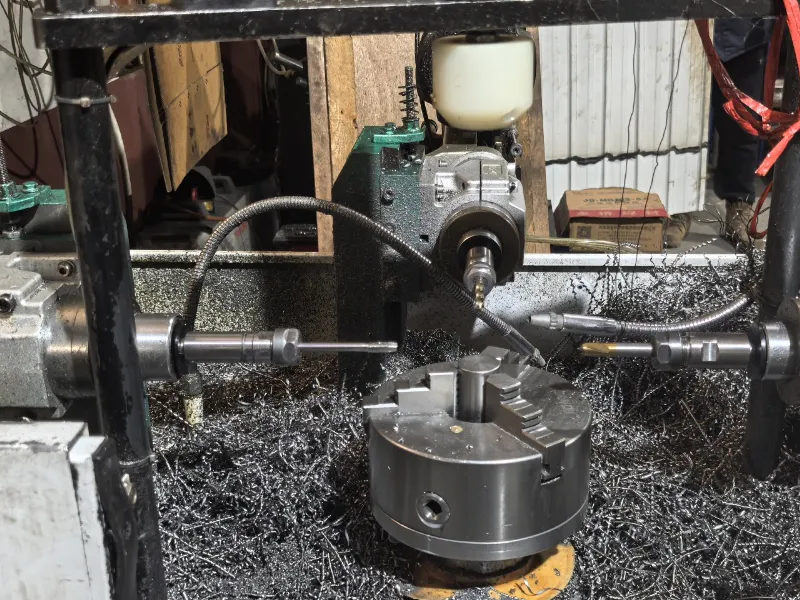
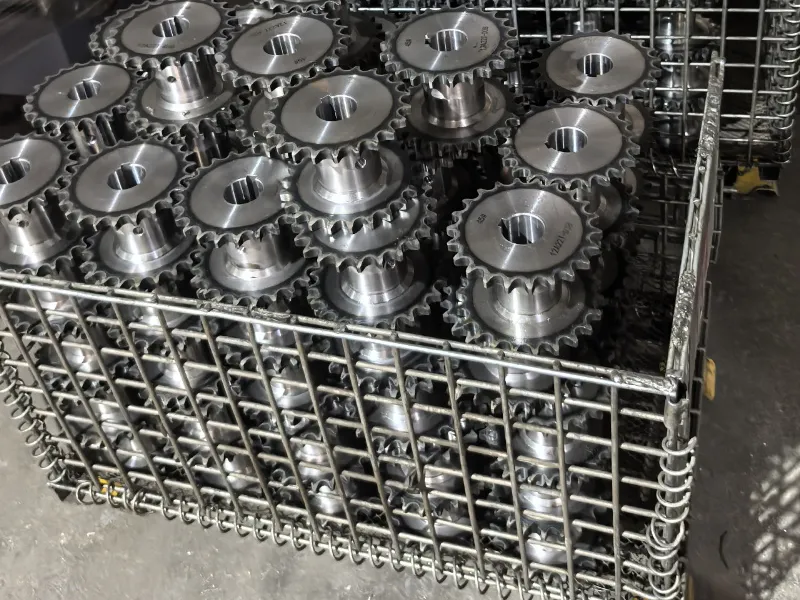
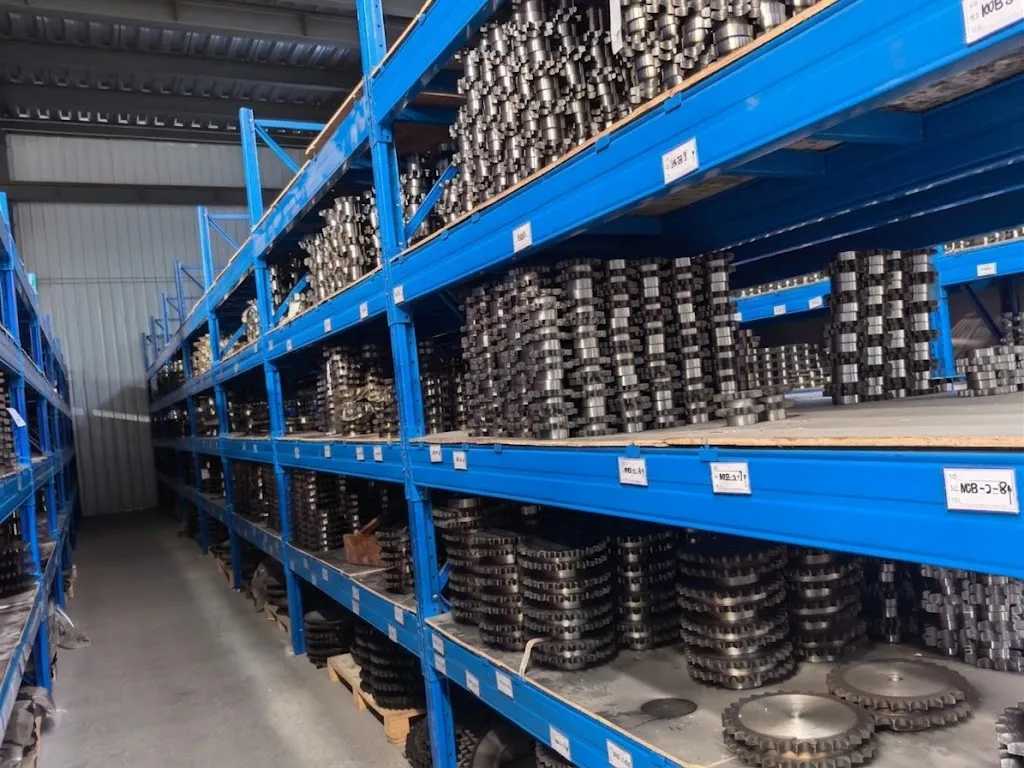
With roots going back to 2010, our facility has grown into a dedicated producer of precision roller chain sprockets and gear components built to international dimensional standards. The shop floor runs a combination of CNC hobbing centres, profile grinders, and multi-axis machining centres — a production setup that holds tooth profile tolerances to DIN standard quality grades across every batch, not just sample pieces.
Each sprocket tooth profile undergoes verification to whichever standard governs the application — DIN 8187, ANSI B29.1, or JIS B 1801. For gears, tooth accuracy is documented to DIN 3961 / ISO 1328 quality grades, giving OEM customers the dimensional traceability they need for their own machine technical files. Our catalog spans European DIN/ISO, American ANSI/ASME, and Asian JIS roller sprocket standards, plus a complete gear range per DIN 782 that includes spur gears, bevel gears, and racks — making us a genuinely single-source commercial gear and sprocket supplier for multi-standard projects.
WorkShop
8. System-Compatible Drive Components
A sprocket is one element of a complete drive system. To help buyers consolidate procurement, we also supply matched drive components that pair directly with the 06B European Standard Sprockets Series — removing the compatibility verification step that otherwise adds time and risk to multi-supplier sourcing.
Matched Roller Chain
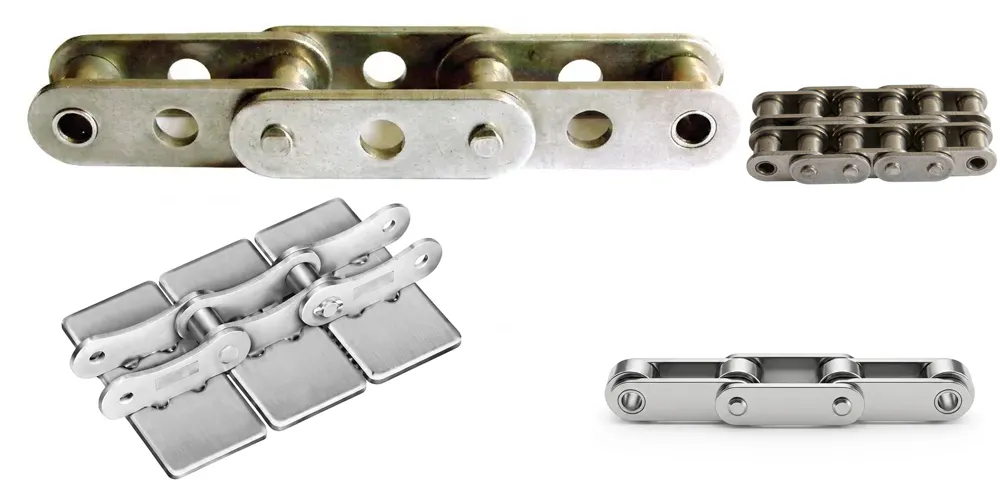
Pairing your 06B European sprockets with a correctly specified ISO/R 606 roller chain is the single most important step in achieving rated drive life. Our roller chains are manufactured to the same pitch and width tolerances as the sprockets they engage — meaning roller diameter, inner link width, and pin diameter are all within the DIN 8187 tolerance window that governs the sprocket tooth pocket geometry. For sprockets and chains sourced as a system, we can supply matched sets with a single dimensional declaration, simplifying incoming inspection.
NMRV Worm Gear Reducer
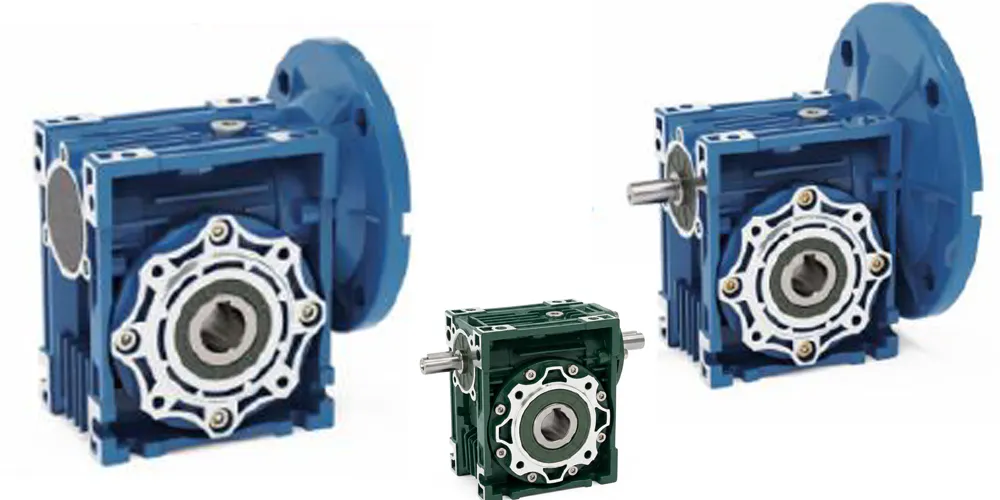
Most chain-and-sprocket drives are powered through a speed reducer located between the motor and the drive sprocket. Our NMRV worm gear reducers are available in output shaft diameters and flange configurations that pair directly with the bore range of the 06B sprocket series — so shaft diameter, keyway, and hub dimensions align before delivery without requiring separate engineering checks. Specifying sprockets and NMRV reducer together from one supplier eliminates the dimensional mismatches that appear when components are sourced from separate catalogues and combined on site.
Sıkça Sorulan Sorular
Editör: PXY