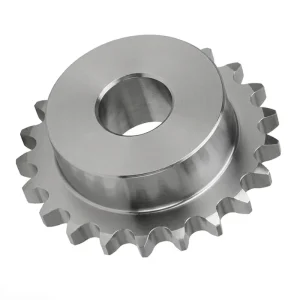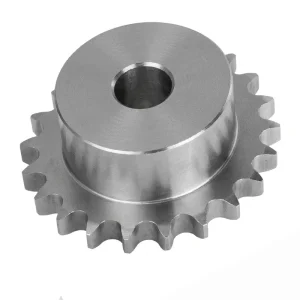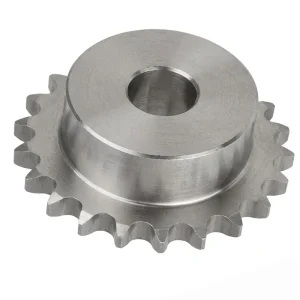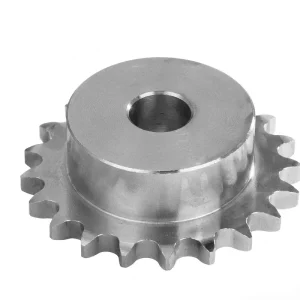
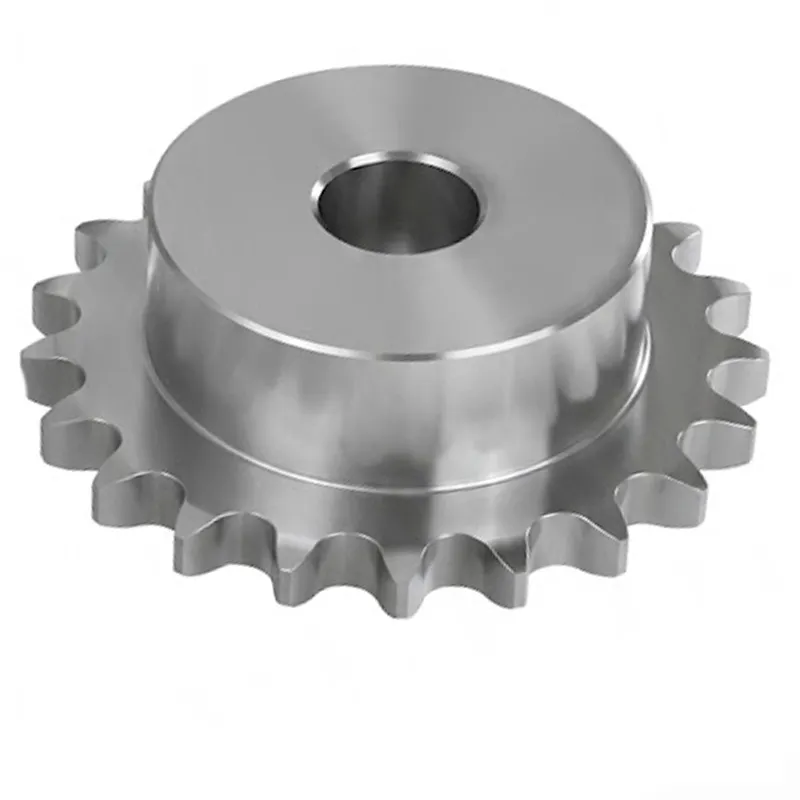
EP-1/2″×3/16″ European Sprockets
The EP-1/2″×3/16″ is catalogued under the European designation 083B/084B-1, placing it firmly in the medium-duty band of the European Standard Sprockets range. With a pitch of 12.7 mm — exactly double the 1/4″ series — this sprocket engages ISO/R 606 roller chain with an internal width of 4.88 mm and a roller diameter of 7.75 mm. These dimensional benchmarks are set by DIN 8187, the governing European standard for short-pitch precision roller chains and their matching sprockets.
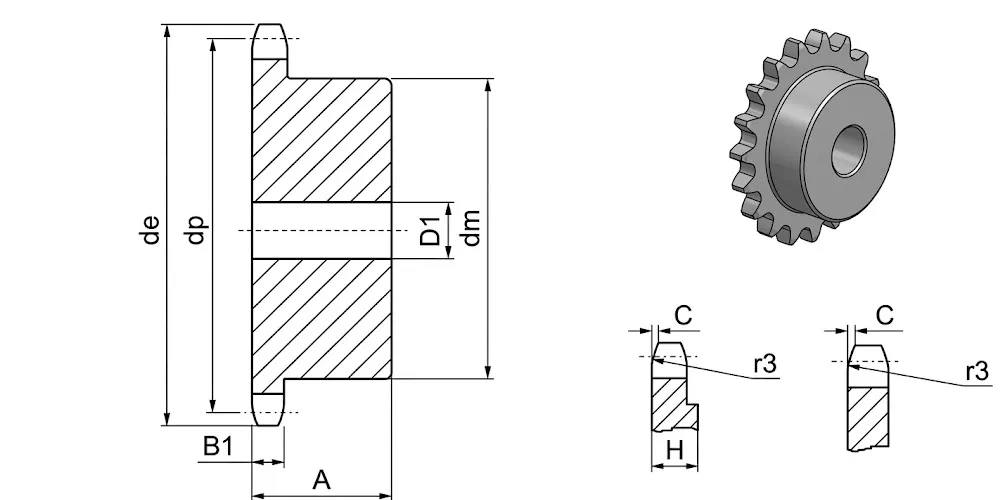
The simplex configuration covers the full range from Z=8 through Z=125. Outer diameters run from 38.5 mm at Z=8 up to 511.4 mm at Z=125, giving engineers an exceptionally wide selection for both compact high-speed drive positions and low-speed high-torque final drives. Hub diameter (Dₑ) and hub width (A) step up progressively with tooth count to maintain adequate wall thickness around the bore and to support the increasing shaft loads associated with larger sprocket diameters.
The tooth profile parameters — tooth radius r₃ of 13 mm, radius width C of 1.3 mm, and tooth width B₁ of 4.5 mm — are dimensioned specifically for the 12.7 mm pitch chain.
European Standard Sprockets Series
EP-1/2"×3/16" European Sprockets
Manufactured to DIN 8187 and ISO/R 606 specifications, the 1/2"×3/16" (083B/084B-1) European Sprockets deliver a step up in pitch and load capacity over the smaller 3/8" series, making this European Sprocket the core choice for general-purpose industrial chain drives across manufacturing, agriculture, and materials handling. With a 12.7 mm pitch and a tooth count range from Z=8 through Z=125, this European Sprocket series covers a wide variety of gear ratio requirements in a robust, C45 steel construction — with weld-on hub options for large-diameter configurations. Available to global buyers and widely specified for equipment operating in Colombia and across Latin American industrial sectors.
1. Technical Specifications — 083B/084B-1 (1/2"×3/16") European Sprockets
All European Sprocket parameters listed below conform to DIN 8187 / ISO/R 606. Outer diameter (dₐ), pitch diameter (dₚ), boss diameter (Dₑ), bore (D₁), and hub width (A) are in millimetres. Rows prefixed * indicate weld-on hub configurations.
Tooth radius r₃: 13
Radius width C: 1.3
Tooth width B₁: 4.5
Pitch: 12.7
Internal width: 4.88
Roller Φ: 7.75
Chain acc. to DIN 8187
ISO/R 606
Designation: 083B/084B-1
Material: C45 steel
*Weld-on hub (Z≥49)
| Z (Teeth) | dₐ (mm) | dₚ (mm) | Dₑ (mm) | D₁ (mm) | A (mm) |
|---|---|---|---|---|---|
| 8 | 38.5 | 33.18 | 21 | 8 | 14 |
| 9 | 41.5 | 37.13 | 25 | 8 | 14 |
| 10 | 46.2 | 41.10 | 28 | 8 | 14 |
| 11 | 49.6 | 45.07 | 31 | 8 | 16 |
| 12 | 53.9 | 49.07 | 35 | 8 | 16 |
| 13 | 58.4 | 53.06 | 39 | 8 | 16 |
| 14 | 62.8 | 57.07 | 43 | 8 | 16 |
| 15 | 66.8 | 61.09 | 47 | 8 | 16 |
| 16 | 70.9 | 65.10 | 50 | 10 | 18 |
| 17 | 74.9 | 69.11 | 50 | 10 | 18 |
| 18 | 78.9 | 73.14 | 50 | 10 | 18 |
| 19 | 82.9 | 77.16 | 50 | 10 | 18 |
| 20 | 86.9 | 81.19 | 50 | 10 | 18 |
| 21 | 91.0 | 85.22 | 60 | 12 | 20 |
| 22 | 95.0 | 89.24 | 60 | 12 | 20 |
| 23 | 99.0 | 93.27 | 60 | 12 | 20 |
| 24 | 103.0 | 97.29 | 60 | 12 | 20 |
| 25 | 107.1 | 101.33 | 60 | 12 | 20 |
| 26 | 111.2 | 105.36 | 70 | 16 | 20 |
| 27 | 115.4 | 109.40 | 70 | 16 | 20 |
| 28 | 119.4 | 113.42 | 70 | 16 | 20 |
| 30 | 127.5 | 121.50 | 70 | 16 | 20 |
| 32 | 135.5 | 129.56 | 70 | 16 | 20 |
| 35 | 147.6 | 141.68 | 70 | 16 | 20 |
| 36 | 151.7 | 145.72 | 70 | 16 | 25 |
| 38 | 159.8 | 153.80 | 70 | 16 | 25 |
| 40 | 167.8 | 161.87 | 70 | 16 | 25 |
| 42 | 175.4 | 169.95 | 78 | 16 | 32 |
| 45 | 187.5 | 182.07 | 78 | 16 | 32 |
| 48 | 199.7 | 194.18 | 78 | 16 | 32 |
| *50 | 207.8 | 202.26 | *78 | 16 | 32 |
| *57 | 236.1 | 230.54 | *78 | 16 | 32 |
| *60 | 248.2 | 242.66 | *78 | 16 | 32 |
| *65 | 268.8 | 262.86 | *78 | 16 | 32 |
| *72 | 297.1 | 291.16 | *78 | 16 | 32 |
| *80 | 329.4 | 323.48 | *78 | 16 | 32 |
| *85 | 349.7 | 343.70 | *80 | 16 | 32 |
| *90 | 369.9 | 363.90 | *80 | 16 | 32 |
| *95 | 390.1 | 384.10 | *80 | 16 | 32 |
| *100 | 410.3 | 404.31 | *80 | 16 | 32 |
| *110 | 450.7 | 444.74 | *80 | 16 | 32 |
| *114 | 466.9 | 460.90 | *80 | 16 | 32 |
| *120 | 491.2 | 485.16 | *80 | 16 | 32 |
| *125 | 511.4 | 505.37 | *80 | 16 | 32 |
All dimensions in millimetres. * Weld-on hub. Tolerances to DIN 8187 / ISO/R 606. H=plate height dimension per DIN 8187 drawing reference.
2. Five Key Advantages of the 083B/084B-1 European Sprockets
① 12.7 mm Pitch — Versatile Mid-Range Load Capacity
The 12.7 mm pitch sits at the centre of the medium-duty industrial chain range, handling significantly higher torque than the 6.35 mm or 9.525 mm series while remaining compact enough for machine-mounted drives. This makes the 1/2"×3/16" European Sprocket one of the most frequently specified sizes across industrial machinery in Europe, and a first-choice replacement when sourcing European Sprocket stock to service mid-size conveyor and agricultural drives.
② Z=8 to Z=125 — Widest Tooth Range in the Series
Covering 39 distinct tooth counts, this European Sprocket series offers more gear ratio flexibility than almost any other European Sprocket size. From a Z=8 drive pinion with an outer diameter of just 38.5 mm to a Z=125 driven wheel at 511.4 mm, OEM engineers and MRO procurement teams can specify exact gear ratios in a single catalogue — a significant advantage over sourcing multiple series at different pitches.
③ C45 Steel, CNC-Machined, Induction Hardened
Standard material for this European Sprocket is C45 medium-carbon steel, machined on CNC hobbing and milling centres to achieve the tooth profile tolerances required by DIN 8187. Surface induction hardening brings tooth flank hardness to HRC 45–55 while preserving core toughness. This dual-property profile — hard teeth on a tough body — is the engineering reason Steel Sprockets and Gears like this European Sprocket outlast their chain in properly maintained industrial drives.
④ Weld-On Hub for Large-Diameter Applications
From Z=49 onward, boss diameters transition to the weld-on hub configuration. This design allows the sprocket ring to be attached to a customer-machined hub that is sized precisely for the application shaft — removing the bore diameter ceiling that limits conventional stock bore designs. For heavy-duty Colombian agricultural equipment and construction machinery where shaft diameters are non-standard, the weld-on European Sprocket design is the most practical route to large-diameter custom configurations without bespoke tooling costs.
⑤ Immediate Stock Bore Plus OEM Custom Manufacturing
Standard bore sprockets from Z=8 to Z=48 are held in stock and available for immediate dispatch. For OEM programmes needing specific bore sizes, keyway configurations, or surface treatments, our engineering team produces fully machined components to customer drawing. This combined offering — stock European Sprocket for MRO speed, custom European Sprocket for OEM precision — makes us a single-source industrial sprockets and gears supplier across the complete 083B/084B-1 range.
3. Working Principle of the 1/2"×3/16" Roller Chain Sprocket
The fundamental operating mechanism of a European Sprocket is positive engagement — unlike belt pulleys or friction drives, this European Sprocket locks onto the chain rollers mechanically and transmits torque without slip. As the sprocket rotates, each tooth enters the chain strand from below, lifts the roller away from the previous link, and seats it in the current tooth pocket. The chain is then driven forward by the sprocket's rotation, with each roller transferring the driving force through direct contact between the roller surface and the tooth flank geometry.
In the 083B/084B-1 European Sprocket configuration, the 12.7 mm pitch determines the angular distance between tooth centres. The precision of this pitch, combined with the accuracy of the tooth radius r₃ (13 mm), the gullet geometry, and the roller diameter (7.75 mm), governs how uniformly load is distributed across multiple teeth in contact simultaneously. At any given moment, between two and four teeth carry load depending on the wrap angle, tooth count, and drive tension. For low tooth count configurations such as Z=8 or Z=9, the wrapping arc is small and load is concentrated on fewer teeth — which is why the dimensional table shows progressively heavier hub sections for these sizes despite their small outer diameters.
The polygonal effect — a periodic velocity variation inherent in all European Sprocket chain drives — diminishes as tooth count increases. For applications requiring smooth, low-vibration output, selecting a minimum of Z=17 on the smaller European Sprocket of any pair is standard engineering practice. At Z=17 and above, the velocity ripple is small enough that it does not cause perceptible vibration in most industrial machinery, including conveyor drives, packaging machines, and agricultural equipment. For drives where speed uniformity is critical — printing machines, labelling lines — tooth counts of Z=21 or higher are preferred, and chain lubrication specification becomes equally important in controlling engagement noise.
4. Materials and Surface Treatment Options
C45 medium-carbon steel (per DIN EN 10083-2, equivalent to AISI 1045) is the standard material specification for this European Sprocket range. Every European Sprocket in the 083B/084B-1 series is produced from this grade. This alloy is selected for three reasons: it machines cleanly to the close dimensional tolerances demanded by DIN 8187 tooth profiles, it accepts induction surface hardening to achieve the HRC 45–55 flank hardness required for industrial chain drive service life, and its ductile core absorbs the shock and impulse loading inherent in chain drives without risk of brittle fracture. Material certificates traceable to the production heat are available on request for OEM technical file requirements.
For environments that exclude carbon steel — food processing wash-down lines, pharmaceutical clean rooms, chemical conveying systems, and coastal or tropical outdoor installations — a stainless steel European Sprocket manufactured from AISI 304 or AISI 316 is available with identical tooth geometry. AISI 316 grade is recommended for any European Sprocket wherever chlorinated detergents or salt-spray exposure is expected, as its molybdenum content significantly improves resistance to pitting corrosion compared to the 304 grade. Colombian buyers operating equipment in coastal humid climates or within food-grade production lines frequently specify 316L as the standard material for all wetted-zone European Sprocket transmission components.
Surface treatments extend service life in specific environments. Black oxide treatment — sometimes referred to as black kettenrad zahnrader finish — provides moderate rust inhibition with negligible dimensional addition, making it appropriate for precision-bore sprockets where coating thickness cannot be accommodated in the shaft clearance. Zinc phosphate with oil provides stronger rust inhibition during storage and transit — useful when sprockets are purchased in advance as maintenance stock for remote installations. Acetal (POM) European Sprocket variants are available for the lowest-load portion of the tooth range, typically Z=8 through Z=20, where noise reduction or material contamination avoidance takes precedence over load-carrying capacity.
5. Application Scenarios
The 1/2"×3/16" pitch occupies the mid-range of general-purpose industrial chain drives, making it one of the most widely applied European sprocket sizes across multiple sectors. Below are the primary usage areas where this series delivers reliable, long-service performance.
General Industrial Conveyor Drives
Warehouse belt conveyors, roller bed transfer units, and assembly line drives across manufacturing sectors are among the highest-volume applications for the 083B European Sprocket. The 12.7 mm pitch European Sprocket handles the moderate torque levels of loaded conveyor belts without the bulk of larger-pitch chain systems, and the extensive tooth count range makes it straightforward to specify exact conveyor speeds from a single catalogue. Industrial chains and sprockets europe factory output in this size represents the largest share of the European Standard Sprockets Series volume.
Agricultural Equipment — Colombia and Andean Region
Tractor-mounted implements, seed drill metering drives, fertiliser spreaders, and forage harvester feed rolls operating across the Colombian Andean agricultural belt commonly use the 12.7 mm pitch European Sprocket drive system. European-built tractors and machinery exported to Colombia and neighbouring countries were predominantly built to DIN 8187 chain standards — making this European Sprocket series the correct replacement kettenrad zahnrader specification for field maintenance programmes. The C45 steel construction handles the intermittent duty and moderate shock loading of typical agricultural drives without the corrosion issues associated with lower-grade castings.
Packaging and Filling Machinery
Carton erectors, case packers, bottle fillers, and shrink-wrap tunnels use a European Sprocket chain drive to synchronize multiple working stations at precise speed ratios. The 1/2"×3/16" pitch provides better load capacity than the 3/8" series without the noise and vibration penalty of coarser 5/8" or 3/4" pitch chains at typical packaging machine speeds. A stainless steel European Sprocket in this size is often specified for the fill and seal zones of food and pharmaceutical packaging lines where wash-down and contamination regulations apply.
Mining and Construction Auxiliary Drives
Compact auxiliary drives on mobile screening plant, crusher feeders, and underground material handling systems frequently employ a double-strand European Sprocket configuration in the 12.7 mm pitch, using duplex chain to multiply torque capacity over the simplex rating. The weld-on hub option available from Z=49 is particularly valuable on construction-site equipment, where shaft diameters on fabricated structures vary between machines and hub flexibility is essential for field-serviceable replacement. Buyers sourcing a European Sprocket for mining auxiliary service should verify tooth count and chain width to ensure correct strand compatibility.
Woodworking and Sawmill Equipment
Bandsaw blade return drives, log conveyor chains, and chip extraction blowers in sawmill and woodworking plants regularly use the 083B European Sprocket as the primary chain drive component. The medium-duty pitch balances speed and torque requirements in these applications, where log-feeding forces generate moderate shock loads, and the compact sprocket diameter allows drives to be integrated within the tight space constraints of saw carriage frames. Both new kettenrad zahnrader installations and European Sprocket replacement parts for existing European-built sawmill equipment draw from this series.
Material Handling Hoists and Elevators
Chain-driven bucket elevators, vertical conveyors, and goods lifts in warehousing and industrial facilities commonly rely on a large-tooth-count European Sprocket — Z=40 through Z=72 — to drive slow-speed, high-tension elevator chains. The weld-on hub options in this tooth range allow the driven sprocket to be attached to a fabricated or turned hub sized to match the head shaft diameter of the elevator structure, without the bore diameter restriction of machined-bore designs. Gear tooth profile accuracy is documented per DIN 3961 / ISO 1328, supporting the quality records required for lifting equipment compliance audits in European and Colombian regulatory environments.
6. Applicable Standards and Regulatory Context
Procurement of a European Sprocket for use across different markets involves compliance with the mechanical safety and materials standards applicable in each jurisdiction. The following regulatory framework is relevant to buyers specifying a European Sprocket globally.
EU Machinery Directive 2006/42/EC
Every European Sprocket and Chain Sprockets assembly installed in CE-marked machinery must meet the essential health and safety requirements of this Directive. DIN 8187 / ISO/R 606 conformance of the European Sprocket is the technical baseline for demonstrating that the chain drive assembly meets the relevant harmonised standards, including guard and safeguarding requirements under EN 953.
DIN 8187 and ISO/R 606
The governing standard specifying chain and European Sprocket dimensions, tolerances, and material requirements for short-pitch precision roller chains. All European Sprocket units in this series are verified to DIN 8187 before dispatch, with dimensional records available for inclusion in OEM machine technical documentation files.
Colombia — Icontec NTC and INVIMA
Mechanical drive components used in regulated Colombian industries — food processing, pharmaceuticals, and mining — may be subject to Icontec NTC standards or direct ISO equivalents. In food and pharma sectors, INVIMA oversight may require materials documentation for wetted-zone components. Our stainless steel 083B sprockets carry material certificates supporting AISI 316L identification for these applications.
Germany — DGUV Occupational Safety Rules
In Germany and across EEA markets, the DGUV Technical Rules for machinery safety require that replacement chain drive components match the dimensional specification of the original parts. Specifying a DIN 8187-conformant European Sprocket — rather than dimensionally similar but uncertified substitutes — is the correct approach for compliance with DGUV inspection requirements on European Sprocket installations across Germany.
EU Lifting Equipment Directive 2006/42/EC Annex I §4
For chain drives used in lifting applications — bucket elevators, goods lifts, and chain hoists — Annex I Section 4 of the Machinery Directive imposes additional design and documentation requirements. Any European Sprocket assembly in lifting service must carry rated load calculations and material traceability. Our dimensional and material documentation supports these requirements.
REACH / RoHS and Food Contact (EC) 1935/2004
C45 carbon steel and AISI 316 stainless steel components are RoHS compliant. REACH SVHC declarations are provided for surface-treated components on request. For food-contact applications, AISI 316 stainless steel sprockets satisfy the material suitability requirements under EU Regulation 1935/2004, with compliance documentation available for food plant audits.
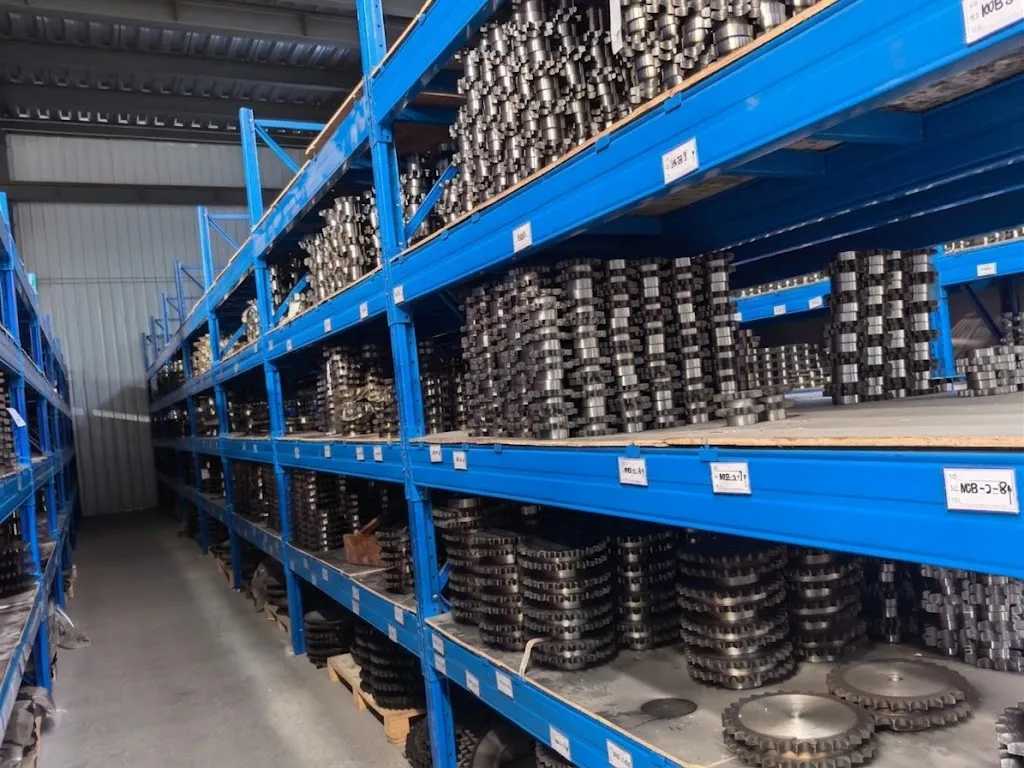
7. About the Manufacturer
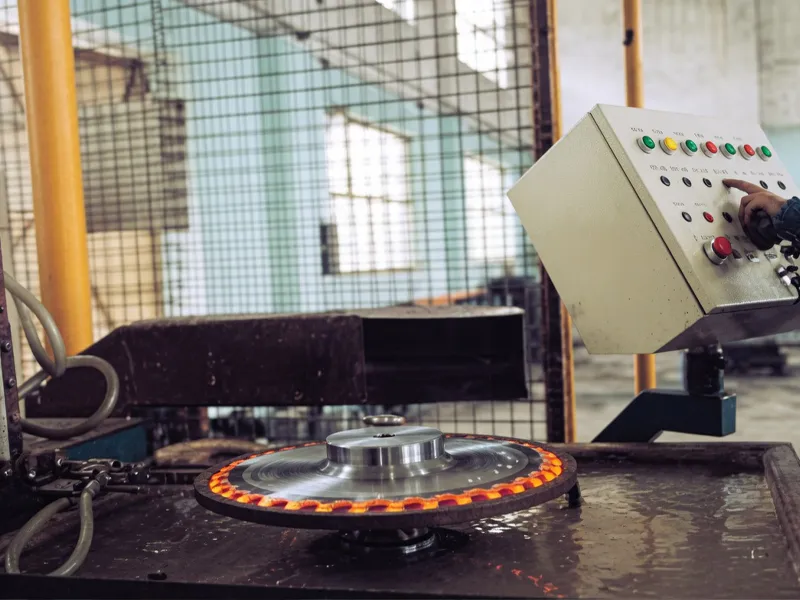
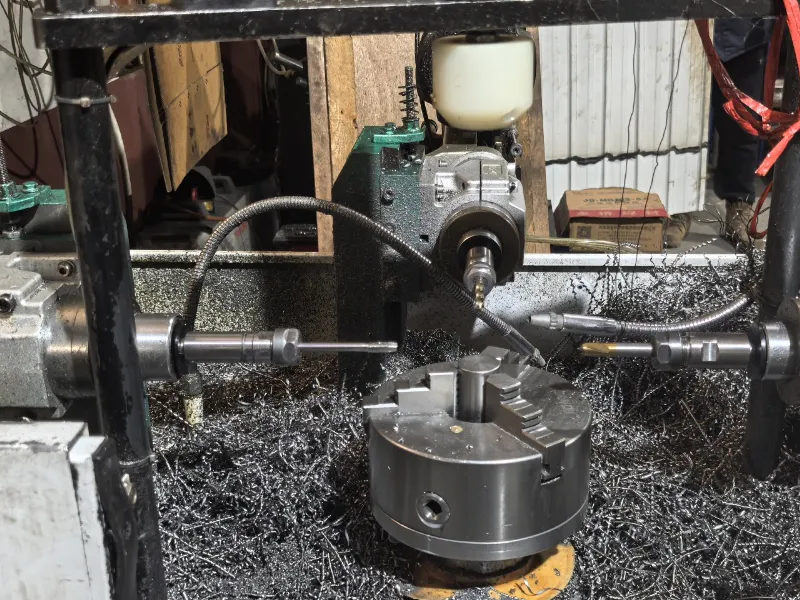
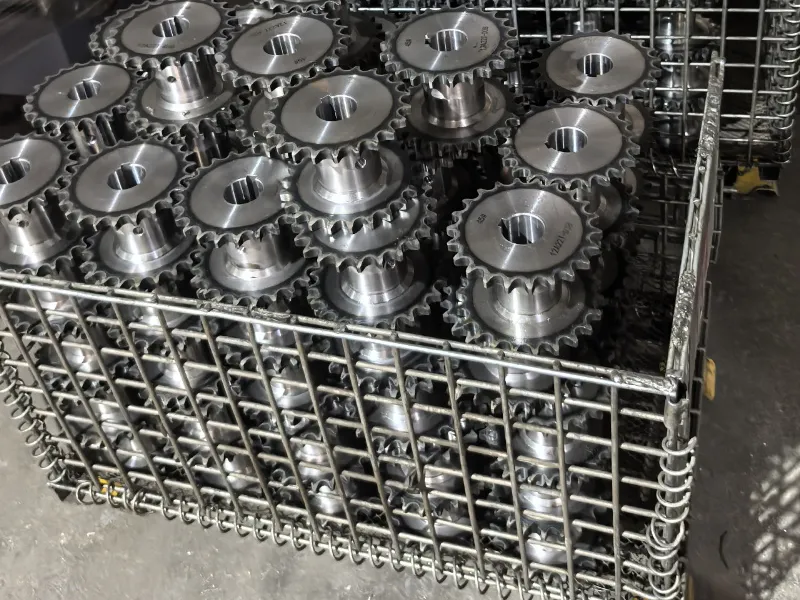
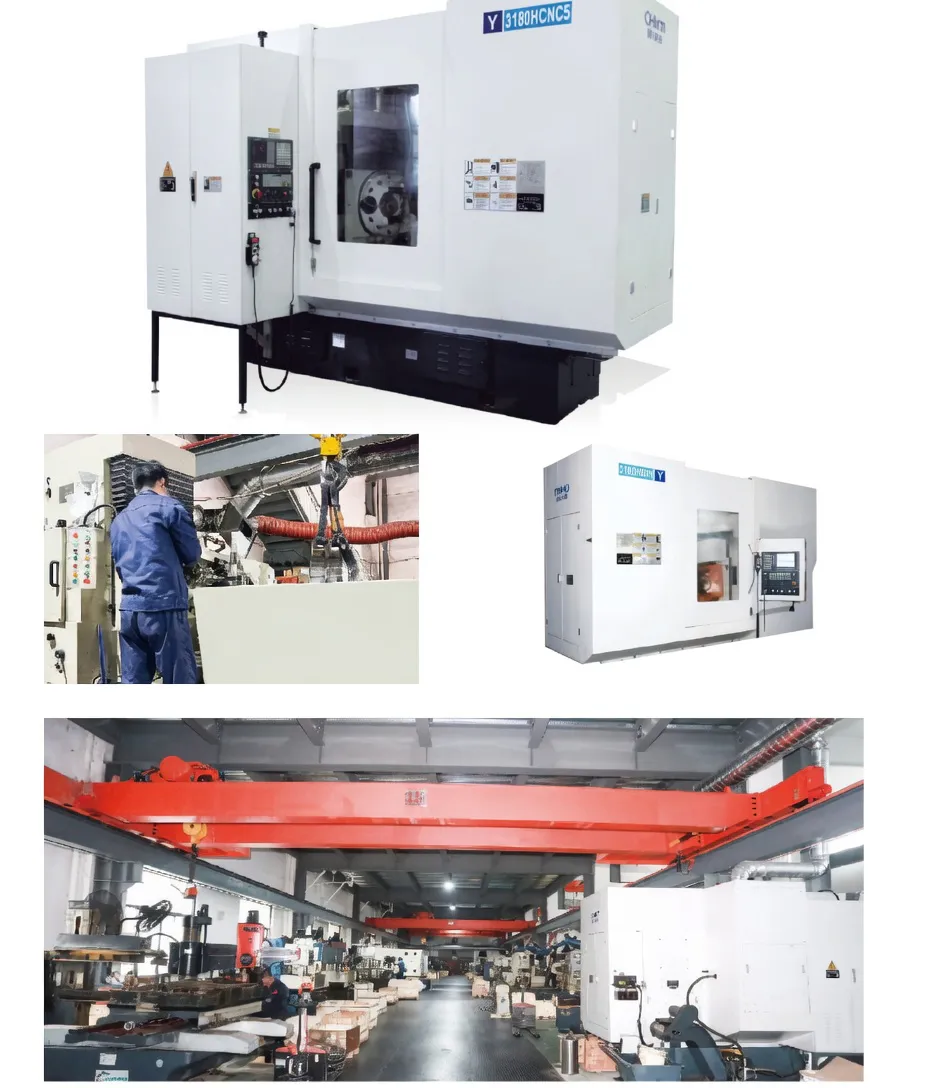
Established in 2010, our production facility has built more than fifteen years of uninterrupted experience manufacturing the European Sprocket and related gear components to international dimensional standards. The shop floor combines CNC hobbing centres with profile grinding equipment and coordinate measuring machines — a combination that holds tooth profile tolerances to DIN-specified quality grades across entire production batches, not just sampled pieces at inspection.
Tooth profiles on every European Sprocket are verified against whichever standard governs the application — DIN 8187, ANSI B29.1, or JIS B 1801. Gear tooth accuracy is recorded to DIN 3961 / ISO 1328 quality levels with documentation retained for customer technical files. Our product range spans the three major standards — European Sprocket per DIN/ISO, American ANSI/ASME, and Asian JIS — alongside a complete gear range per DIN 782 covering spur gears, bevel gears, and racks.
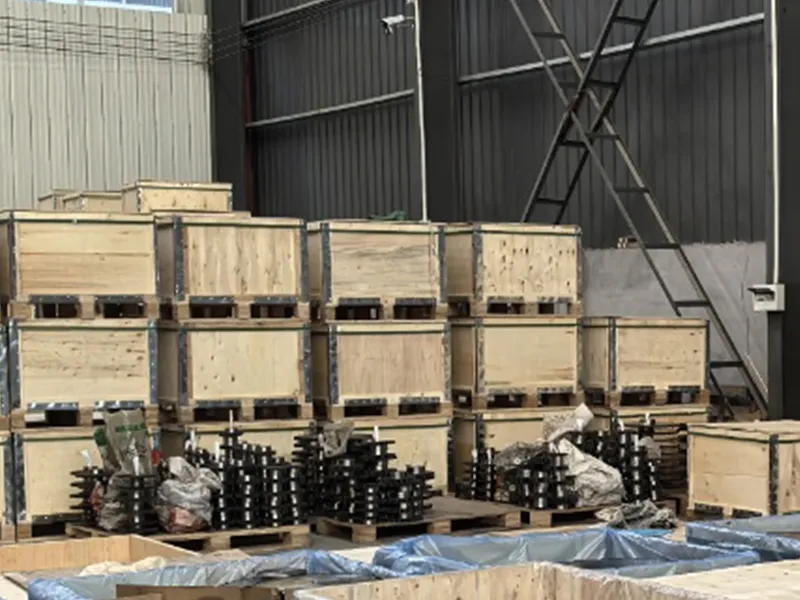
WorkShop
8. Complete Drive System Components
A European Sprocket alone does not constitute a complete drive. To maximise performance and simplify procurement, we supply matched components that integrate directly with the 083B/084B-1 European Sprocket — letting you source the full chain drive system from a single supplier and avoid the tolerance mismatches that arise from mixing components across different manufacturers and standards.
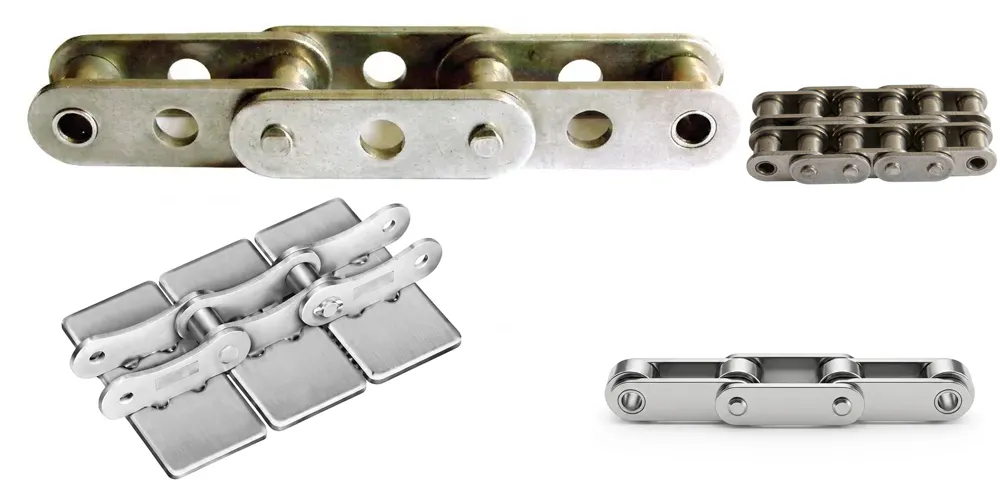
ISO/R 606 Roller Chain
Matched roller chain for the 083B pitch is the essential counterpart to this European Sprocket. Our roller chains are manufactured to the same DIN 8187 / ISO/R 606 dimensional standards as the sprocket series — inner link width, roller diameter, and pin geometry all within the tolerance band that governs the tooth pocket. Procuring a European Sprocket and chain from the same standard base removes the most common source of premature wear: dimensional mismatch between the roller and the tooth form. For buyers in Colombia and Latin America sourcing both components, we can supply matched sets with a single conformance declaration covering both chain and sprocket dimensions.
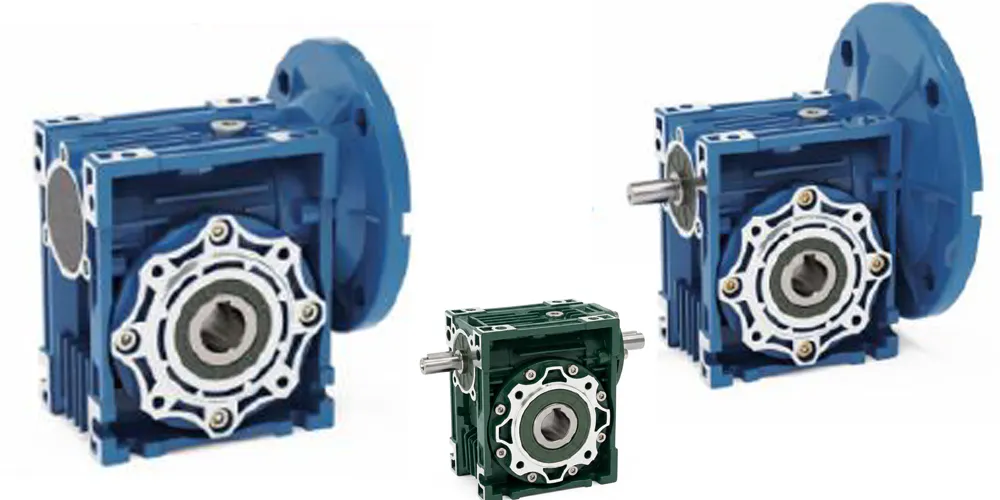
NMRV Worm Gear Reducer
Most European Sprocket drives receive their input from a speed reducer positioned between the motor and the drive shaft. Our NMRV worm gear reducers are available in output shaft diameters and flange configurations that align directly with the bore range used across the 083B series — so shaft diameters, keyway dimensions, and hub clearances are verified before delivery rather than discovered as mismatches on site. For procurement teams combining sprockets and gears with a reducer from a single order, the NMRV range covers the reduction ratios and output speeds most commonly paired with 12.7 mm pitch drives in both new installations and equipment upgrade programmes.
Sıkça Sorulan Sorular
Editör: PXY