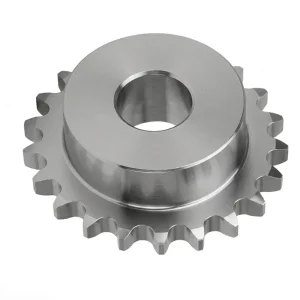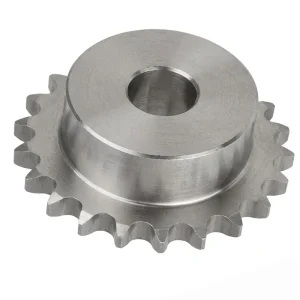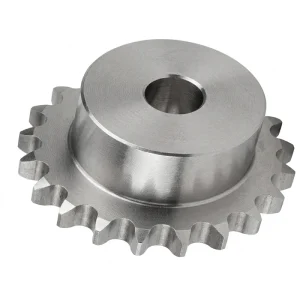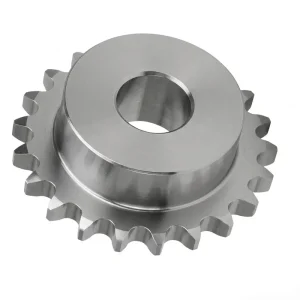
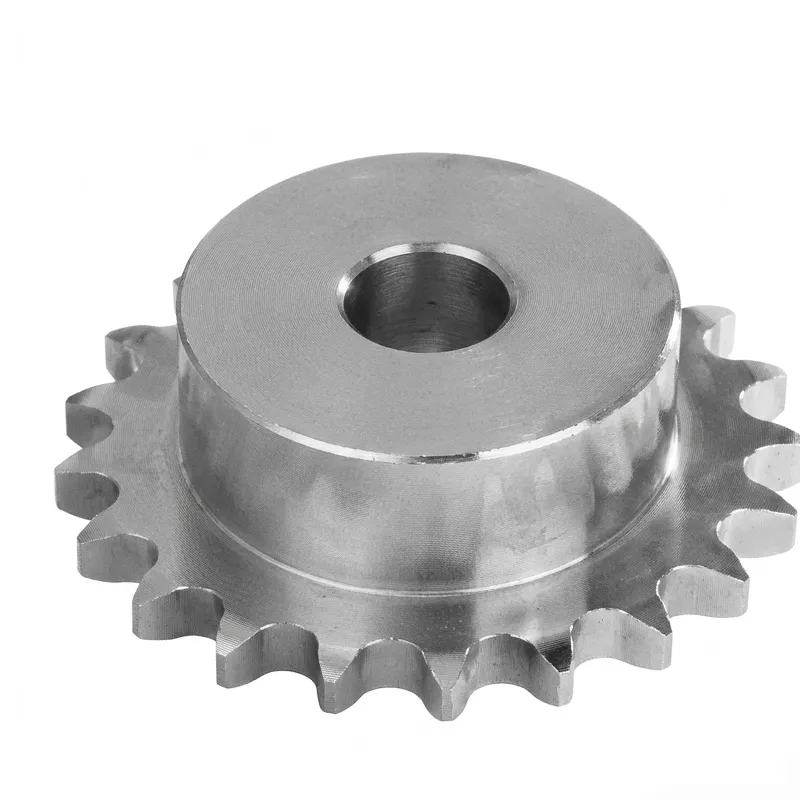
Zębatki europejskie EP 1/2″×1/8″ — seria 081B-1
The 081B-1 reference designates a widely specified sub-family of European Sprockets in the 1/2″×1/8″ pitch class. The imperial fraction designation — 1/2 inch pitch, 1/8 inch internal chain width — reflects the historical origin of roller chain engineering in inch-unit markets, yet the product itself is fully documented to DIN 8187 and ISO/R 606 metric norms.
At 12.7 mm pitch, the 081B-1 European Sprockets series is a practical choice for moderate-to-high-load chain drives where the smaller 6 mm, 8 mm, and 10 mm pitch families lack adequate torque capacity but the more substantial 16 mm and 19 mm pitch series would be mechanically over-specified. The tooth count range — from Z=8 (tip circle 37.2 mm) to Z=125 (tip circle 511.4 mm) — covers an exceptionally broad ratio span. Designers can achieve speed reductions from 1:1 up to 15:1 or more within a single chain standard, eliminating multi-stage gearboxes in many agricultural, conveyor, and packaging machine applications.
One structural feature worth noting in this European Sprockets series is the plate-width transition at Z=31: from this tooth count upward, hub plate width H increases to 5 mm. This adaptation reflects the growing bending moment at the hub cross-section as pitch circle diameter enlarges, and prevents hub-face deflection that would otherwise accelerate chain-side plate wear on large-diameter units.
EP 1/2"×1/8" European Sprockets — 081B-1 Series
The EP 1/2"×1/8" European Sprockets — catalogued under the 081B-1 reference — are precision roller chain sprockets manufactured in full compliance with DIN 8187 and ISO/R 606. Built around a 12.7 mm (1/2") chain pitch with 3.3 mm internal width and a 7.75 mm roller diameter, these European Sprockets cover a tooth range of Z=8 through Z=125, making the series suitable for everything from compact instrument drives to large-diameter slow-speed conveyors. For mechanical engineers in Germany, Spain, Colombia, or any market that references DIN standards as the procurement baseline, the 081B-1 European Sprockets deliver the dimensional accuracy, material traceability, and documentation depth that serious industrial supply chains require.
The 1/2"×1/8" pitch class is one of the most widely used in the European Standard Sprockets Series. Its 12.7 mm pitch sits in a performance tier that balances load capacity and running compactness — well above the light 6 mm and 8 mm pitch families, yet still practical for moderately compact housings. Whether you are sourcing european sprockets for sale as stock replacements, or specifying new units for an OEM build, this product page provides the full specification data, material detail, and application guidance needed to make an informed procurement decision.
1. Technical Specification Parameters
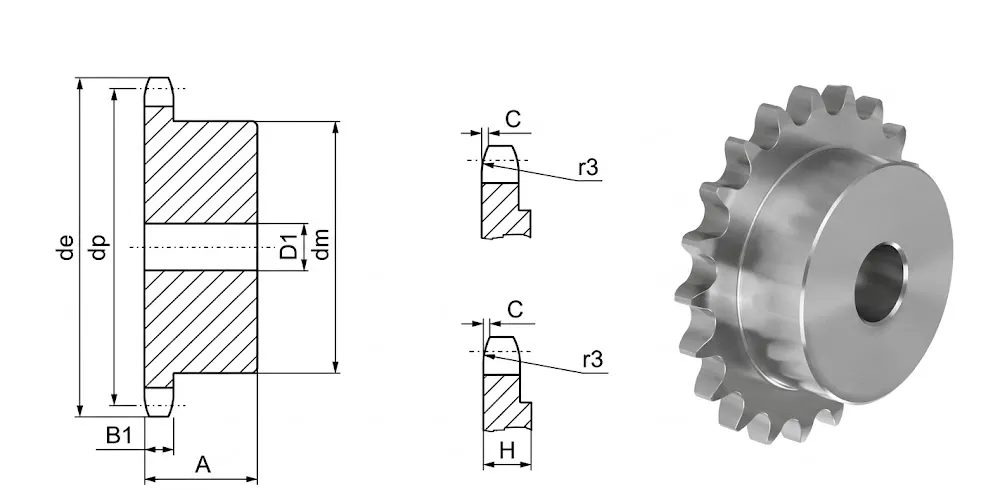
Dimensional table for EP 081B-1 European Sprockets (simplex, 1/2"×1/8"). All dimensions in mm. d₃ = tip circle diameter; dₚ = pitch circle diameter; dₕ = hub bore; D₁ = bore diameter; A = hub width.
| Z | d₃ (mm) | dₚ (mm) | dₕ (mm) | Średnica₁ (mm) | A (mm) |
|---|---|---|---|---|---|
| 8 | 37.2 | 33.18 | 21 | 8 | 14 |
| 9 | 41.5 | 37.13 | 25 | 8 | 14 |
| 10 | 46.2 | 41.10 | 28 | 8 | 14 |
| 11 | 49.6 | 45.07 | 31 | 8 | 16 |
| 12 | 53.9 | 49.07 | 35 | 8 | 16 |
| 13 | 58.4 | 53.06 | 39 | 8 | 16 |
| 14 | 62.8 | 57.07 | 43 | 8 | 16 |
| 15 | 66.8 | 61.09 | 47 | 8 | 16 |
| 16 | 70.9 | 65.10 | 50 | 10 | 18 |
| 17 | 74.9 | 69.11 | 50 | 10 | 18 |
| 18 | 78.9 | 73.14 | 50 | 10 | 18 |
| 19 | 82.9 | 77.16 | 50 | 10 | 18 |
| 20 | 86.9 | 81.19 | 50 | 10 | 18 |
| 21 | 91.0 | 85.22 | 60 | 12 | 20 |
| 22 | 95.0 | 89.24 | 60 | 12 | 20 |
| 23 | 99.0 | 93.27 | 60 | 12 | 20 |
| 24 | 103.0 | 97.29 | 60 | 12 | 20 |
| 25 | 107.1 | 101.33 | 60 | 12 | 20 |
| 26 | 111.2 | 105.36 | 70 | 16 | 20 |
| 27 | 115.4 | 109.40 | 70 | 16 | 20 |
| 28 | 119.4 | 113.42 | 70 | 16 | 20 |
| 29 | 123.4 | 117.46 | 70 | 16 | 20 |
| 30 | 127.5 | 121.50 | 70 | 16 | 20 |
| 31 | 131.5 | 125.54 | 70 | 16 | 20 |
| 35 | 147.6 | 141.68 | 70 | 16 | 20 |
| 38 | 159.8 | 153.80 | 70 | 16 | 25 |
| 40 | 167.8 | 161.87 | 70 | 16 | 25 |
| 45 | 187.5 | 182.07 | 78 | 16 | 32 |
| 48 | 199.7 | 194.18 | 78 | 16 | 32 |
| 49 | 203.7 | 198.22 | *78 | 16 | 32 |
| 50 | 207.8 | 202.26 | *78 | 16 | 32 |
| 57 | 236.1 | 230.54 | *78 | 16 | 32 |
| 60 | 248.2 | 242.66 | *78 | 16 | 32 |
| 65 | 268.8 | 262.86 | *78 | 16 | 32 |
| 70 | 289.0 | 283.07 | *78 | 16 | 32 |
| 76 | 313.3 | 307.33 | *78 | 16 | 32 |
| 80 | 329.4 | 323.48 | *78 | 16 | 32 |
| 85 | 349.7 | 343.70 | *80 | 16 | 32 |
| 90 | 369.9 | 363.90 | *80 | 16 | 32 |
| 100 | 410.3 | 404.31 | *80 | 16 | 32 |
| 110 | 450.7 | 444.74 | *80 | 16 | 32 |
| 114 | 466.9 | 460.90 | *80 | 16 | 32 |
| 120 | 491.2 | 485.16 | *80 | 16 | 32 |
| 125 | 511.4 | 505.37 | *80 | 16 | 32 |
* Weld-on hub. H = 5 mm — from Z=31 the hub plate width is increased. For all intermediate Z values (Z=8 through Z=125), contact us for the complete dimensional datasheet.
2. Five Key Advantages of 081B-1 European Sprockets
The 1/2"×1/8" designation bridges the gap between inch-unit procurement systems — common in Latin American machinery sectors and many Colombian import specifications — and the metric DIN/ISO documentation required for European machinery directives. Every unit in the 081B-1 series is manufactured and verified against DIN 8187 and ISO/R 606 regardless of how the buyer writes the part number. This dual-notation clarity eliminates a common specification error that leads to dimensional mismatches when inch- and metric-oriented procurement departments source chain drive components from separate suppliers.
Z=8 through Z=125 in a single standard means transmission engineers can realise speed ratios from around 1:1 up to 15:1 within one chain pitch family. For industrial machinery in Colombia's growing agribusiness sector, this eliminates the need for multi-stage gearboxes in many conveyor and agricultural equipment applications. The European Sprockets range covers miniature drives — Z=8 at 37.2 mm tip circle — through substantial slow-speed drum drives at Z=125 with a 511.4 mm tip circle, without requiring a change of chain type or a different supplier relationship at any point in the range.
Two structural transitions are built into the 081B-1 European Sprockets design at the points where they are genuinely needed. From Z=31, hub plate width H steps up to 5 mm, increasing section stiffness against the bending moment that grows with pitch circle diameter. From Z=49, weld-on hub construction replaces standard bore design, enabling the substantial hub wall thickness needed for high-torque large European Sprockets without the structural thinning that occurs when a large bore is machined through a narrow hub. These transitions are clearly documented in the datasheet so engineers can plan assembly around them without surprises on the production floor.
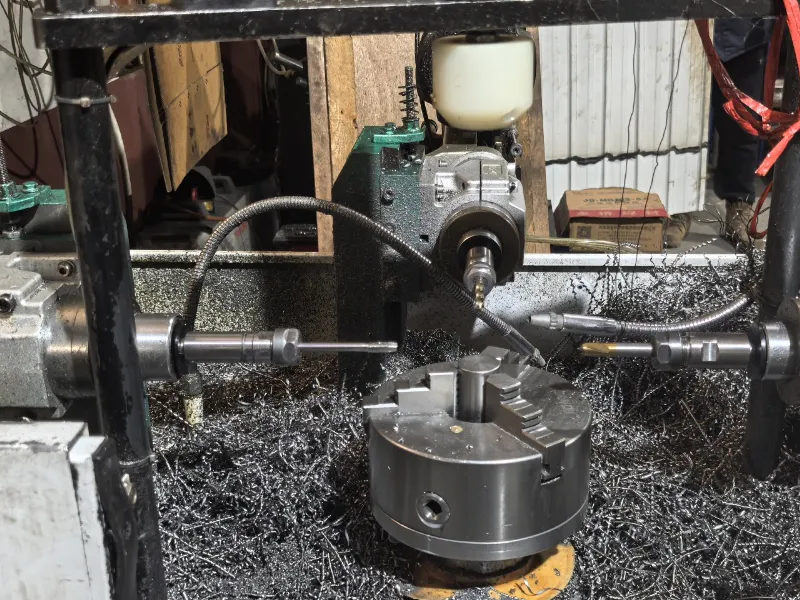
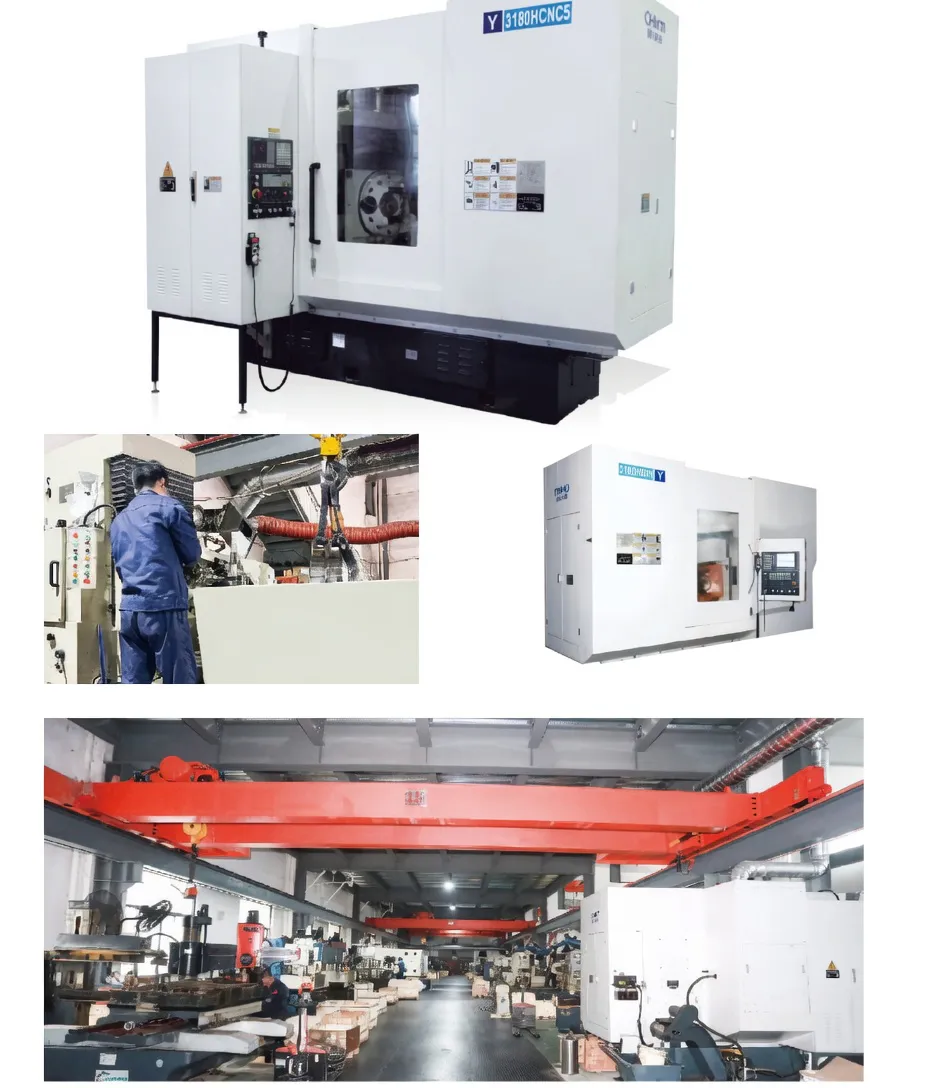
Tooth profile accuracy in European Sprockets directly determines how evenly chain rollers enter and leave tooth engagement. Production on CNC machining centres holds tooth radius r₃ = 13 mm, radius width C = 1.0 mm, and tooth width B₁ = 3 mm to DIN quality grade tolerances across every production batch. Consistent geometry reduces chordal impact — the polygon effect that causes noise and accelerates chain fatigue in poorly machined sprocket profiles — and extends both chain and European Sprockets service life in continuous-operation industrial environments where each maintenance stop carries measurable production cost.
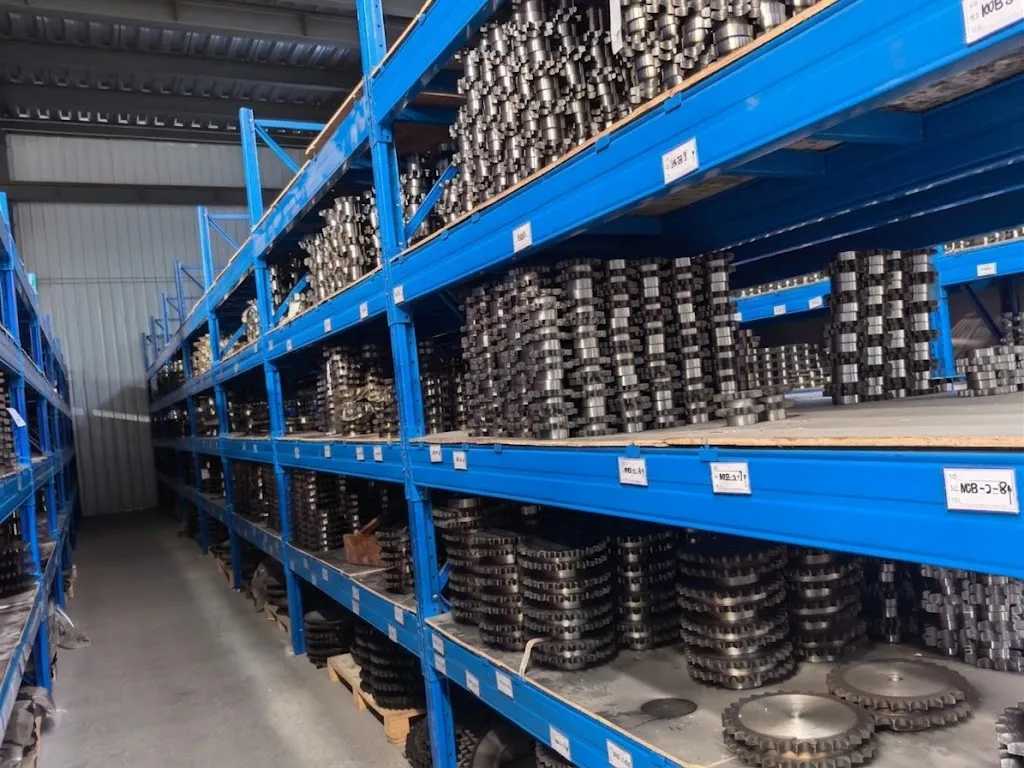
Fast-moving tooth count sizes in the 081B-1 European Sprockets range are held in stock for immediate shipment — meeting urgent replacement kettenrad zahnrader demands without extended lead time. Custom OEM variants including non-standard bore diameters, keyways, extended hub lengths, and specific surface treatments are produced using the same CNC tooling, delivering custom sprockets gears with the same dimensional documentation package as stock items. Sourcing both standard and custom European Sprockets from a single European Sprocket Manufacturer eliminates the traceability gaps that arise when standard and OEM parts come from separate supply chains.
3. How 1/2"×1/8" European Sprockets Work
At their core, European Sprockets are positive-engagement drive elements. Each tooth pocket in the European Sprockets circumference is shaped to receive a chain roller precisely. When the input shaft rotates the drive sprocket, teeth push the rollers forward in sequence, pulling the chain and driving the driven sprocket at the opposite end of the chain loop. Engagement is mechanical and direct, with typical efficiency above 98% per meshing pair — one of the key reasons sprockets and chains remain the preferred transmission method in agricultural, conveyor, and industrial machinery applications where belt slip or ratio drift cannot be tolerated.
In the 081B-1 European Sprockets series, the governing tooth geometry parameters from DIN 8187 are tooth radius r₃ = 13 mm and tooth width B₁ = 3 mm. The 13 mm tooth radius matches the 7.75 mm roller diameter of 081B chain: contact between roller and tooth flank spreads across a controlled arc, distributing the load rather than concentrating it at a point. Radius width C = 1.0 mm defines the flat relief at the tooth tip that prevents the roller from jamming against the tip face during chain articulation. Together these three parameters — all specified in DIN 8187 and the harmonised ISO/R 606 — govern the smoothness of roller entry and exit, chain noise level, and the wear distribution between chain and European Sprockets tooth over thousands of operating hours.
The plate width transition at Z=31 (H increases to 5 mm) and the weld-on hub introduction at Z=49 are not merely structural conveniences — they are engineering responses to the increasing bending moment and hub stress that grow as pitch circle diameter enlarges. Ignoring these transitions would result in premature hub cracking on large European Sprockets under sustained tension loads. By documenting both transitions transparently in the dimensional data, the 081B-1 series provides the information assembly teams need to plan drive housing geometry and shaft retention correctly from the design stage.
4. Material and Surface Treatment Options
The 081B-1 European Sprockets series is produced in C45 medium-carbon steel as standard. C45 offers a tensile strength range of 600–800 MPa in normalised condition, combined with the machinability required for CNC hobbing of consistent tooth profiles across the full Z=8 to Z=125 range. Where application conditions call for it, the base C45 material is induction-hardened at the tooth flanks to surface hardness of 50–58 HRC, maintaining a tougher, more ductile core to absorb shock loads — a critical property for European Sprockets running on agricultural equipment that encounters variable crop resistance and terrain impacts. The hard surface resists abrasive roller wear; the ductile core prevents brittle fracture under unexpected overload.
For units deployed in corrosive environments — particularly food processing lines, beverage production facilities, and outdoor agricultural drives in humid tropical climates such as Colombia's flower, coffee, and banana production regions — stainless steel sprockets & gears in AISI 304 or AISI 316L are an available alternative material. The 316L grade is preferred where chlorinated cleaning agents are used regularly, as it offers substantially better chloride pitting resistance than 304. Steel sprockets and gears produced from 316L carry material test certificates for buyers who need documented material provenance for hygiene-compliance audits.
Black oxide treatment is offered on standard C45 European Sprockets as a cost-effective surface conditioning option for indoor, humidity-controlled environments. Black kettenrad zahnrader finish provides a mild corrosion barrier and is visually distinguishable from bare steel, which aids correct identification during maintenance. Zinc phosphate and electroless nickel plating are available as further surface treatment options, each with different tradeoffs in corrosion performance, dimensional effect, and cost — selection should match the actual environmental exposure of the European Sprockets in service.
C45 Steel (Standard)
Induction-hardenable; optimal for high-cycle industrial chain drives
316L Stainless
Best chloride resistance among stainless steel sprockets & gears options
304 Stainless
General corrosion-resistant European Sprockets for moderate wash-down environments
Black Oxide
Black kettenrad zahnrader; mild protection for dry indoor drive assemblies
Plastic / POM / PA66
Plastic sprockets and gears for light-duty, noise-sensitive, non-metallic drives
5. Scenariusze zastosowań
The 12.7 mm pitch class of the 081B-1 Sprockets sits in the most widely deployed pitch tier in European industrial machinery. Its load capacity substantially exceeds smaller pitch families, while its physical dimensions remain manageable for standard machine enclosures. The tooth count range Z=8–Z=125 makes these European Sprockets applicable in settings from precision instrumentation to heavy-load conveyors. Below are the primary sectors where this series delivers proven, measurable value.
Forage balers, combine harvesters, seed drills, and irrigation pump drives across Europe and Colombia routinely specify 1/2" pitch chain gears and sprockets for their transmission stages. The 12.7 mm pitch delivers the torque capacity needed for PTO-driven implements, while the European Sprockets' simplex configuration keeps weight and width within the constraints of compact agricultural machinery frames. In Colombia's highland flower production and lowland banana plantation equipment, European Sprockets in this pitch class handle the frequent start-stop cycles and variable load conditions that field-use machinery encounters daily.
Distribution centre sorting lines, airport baggage conveyors, and automotive assembly line transfer stations specify industrial sprockets and gears in the 1/2" pitch class for head-drive and take-up applications where the balance between drive compactness and chain load capacity is critical. European Sprockets at Z=26–Z=50 are common choices for drive heads on belt-type sorting systems, with the larger Z=60–Z=80 range applied on slow-speed accumulator sections. German logistics and automotive facility standards routinely reference DIN-compliant European Sprockets as the basis specification for these drives, and Colombian export-processing facilities increasingly adopt the same standards for equipment compatibility with European machinery partners.
The 1/2"×1/8" pitch specification in the 081B-1 European Sprockets series directly corresponds to the classic single-speed bicycle drivetrain standard. Track cycling bikes, fixed-gear urban bicycles, cargo bikes, and e-bike single-speed configurations all use 1/2"×1/8" European Sprockets as standard rear cogs and front chainrings. For bike chainrings kettenrad zahnrader applications, tooth counts in the Z=13 to Z=25 range are typical for rear cogs, while front chainrings span Z=38 to Z=52 in most city cycling applications. The consistent DIN tooth geometry across the full range ensures smooth, quiet engagement that cyclists and light transport operators expect from quality European Sprockets.
Filling lines, cartoning machines, tray sealers, and bottle conveyors in food and beverage processing rely on European Sprockets for precise synchronisation of multiple drive sections. The 1/2" pitch is a standard choice in European food machinery where the chain standard must be documented for CE Technical File purposes — and stainless steel sprockets & gears are frequently specified for zones subject to wash-down procedures and hygiene regulations. In Colombia, food export processing machinery for coffee, panela, and fresh produce increasingly adopts DIN-compliant European Sprockets to ensure compatibility with the European-specification machines that Colombian exporters use to meet EU market requirements.
Sheetfed and web-fed printing presses, paper folding machines, and textile weaving looms use European Sprockets in the 1/2" pitch class for registration drives, web tension control, and pick-and-place synchronisation. The controlled tooth geometry of DIN 8187-compliant European Sprockets minimises the phase error between drive and driven shafts across long chain runs — a direct contributor to print registration accuracy. Sprocket standards in European-made printing presses from Germany and Switzerland routinely reference the 081B-1 profile, making the availability of genuine best european sprockets in this series critical for machinery service shops across Europe and in Colombia's commercial printing market.
At the upper tooth count end of the 081B-1 European Sprockets range — Z=80 through Z=125 with weld-on hub construction — the 12.7 mm pitch chain and sprocket system handles the sustained high-torque demands of crusher feed conveyors, cement plant clinker coolers, and underground haulage auxiliary drives. These industrial sprockets and gears are specified where the chain must handle continuous loading at low speed without fatigue. Replacement kettenrad zahnrader for these large-format units is supported by our stock inventory of weld-on hub variants, and custom hub configurations are available for non-standard shaft geometries.
6. Regional Regulations and Standards Context
When sourcing European Sprockets for machinery projects across multiple markets, understanding the applicable standards framework in each target jurisdiction is essential for both product compliance and documentation accuracy.
European Union — Machinery Regulation (EU) 2023/1230
Machinery placed on the EU single market must carry CE marking under the Machinery Directive 2006/42/EC, with the updated Machinery Regulation (EU) 2023/1230 applying from 2027. European Sprockets conforming to DIN 8187 and ISO/R 606 serve as harmonised standard components in CE-marked machines. Individual sprockets do not need their own CE mark, but the machine assembly requires a complete Technical File. Dimensional conformity documentation for 081B-1 European Sprockets supports the Technical File risk assessment without additional certification overhead.
Germany — DIN 8187 and DIN 8181
German sprockets germany procurement specifications default to DIN 8187 for roller chain sprockets and DIN 8181 for short-pitch roller chains. Any European Sprockets used as a new kettenrad zahnrader or replacement part in German machinery must satisfy these standards' dimensional and quality tolerances. Our 081B-1 European Sprockets production includes full DIN 8187 inspection documentation available on request at order placement, satisfying supplier qualification requirements common among German industrial buyers and OEM machinery builders.
Colombia — ICONTEC, DIAN, and Sector Regulations
In Colombia, the ICONTEC standards body adopts ISO norms for mechanical power transmission. Imported European Sprockets are classified under DIAN customs code HS 8483.40.90. Machinery using European Sprockets in the food sector must satisfy INVIMA hygiene material requirements, supporting stainless steel specification. Electrically-driven conveyors incorporating European Sprockets must comply with RETIE electrical installation regulations. Agribusiness machinery incorporating these European Sprockets also falls under ICA regulations for plant health machinery in agricultural sectors such as flower, coffee, and fruit production.
United Kingdom — UKCA and BS EN ISO 606
Machinery sold into the UK market post-Brexit requires UKCA marking, with the underlying technical standard for roller chain sprockets being BS EN ISO 606 — the British adoption of the same ISO 606 standard that underlies DIN 8187. European Sprockets produced to DIN 8187 are therefore dimensionally compliant with the BS EN ISO 606 reference used in UKCA Technical Files, simplifying dual EU/UK market documentation for machinery OEMs sourcing these components.
USA — ANSI/ASME B29.1 and Import Considerations
The 081B-1 European Sprockets pitch (12.7 mm / 1/2") numerically coincides with the ANSI #40 chain pitch (1/2"), but the inner widths differ: ANSI #40 uses 5/16" (7.94 mm) inner width versus 1/8" (3.175 mm) for the 081B-1 European Sprockets. These are not interchangeable. US machinery builders specifying European Sprockets for export machinery should reference the DIN 8187 / ISO/R 606 basis explicitly in their Technical File to prevent chain-sprocket mismatch at the installation site.
EU RoHS / REACH Compliance
Surface treatments applied to steel sprockets and gears — including phosphate, zinc plating, black oxide, and electroless nickel — must comply with EU RoHS Directive 2011/65/EU and REACH Regulation EC 1907/2006 where the finished product is placed on the EU market. All surface treatments on European Sprockets from this range use RoHS-compliant process chemistries, and SVHC (Substance of Very High Concern) declarations are available in the product compliance pack on request.
7. Compatible Products — Complete Drive System Supply
European Sprockets function as part of a chain drive system. We also manufacture the complementary components that connect to the 081B-1 European Sprockets, providing a one-stop supply point for the full drive assembly and eliminating the specification inconsistencies that arise when system components come from separate sources.
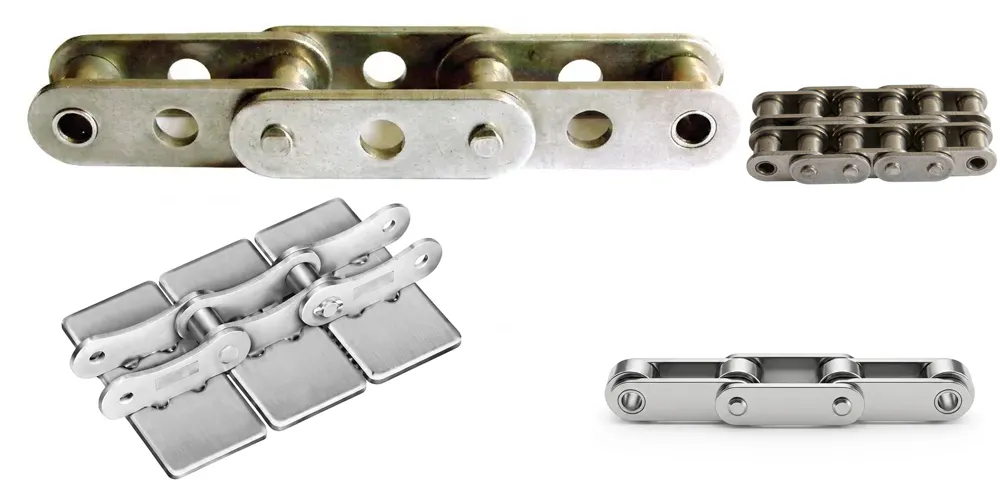
Roller Chain — Matched to 081B-1 European Sprockets
Running 081B-1 European Sprockets with correctly matched łańcuch rolkowy — 12.7 mm pitch, 3.3 mm inner width, 7.75 mm roller — is the single most important factor in achieving the service life the European Sprockets tooth geometry is designed for. Mismatched chain results in uneven tooth loading, rapid profile wear, and premature chain stretch. Our supply network provides DIN 8187-compliant chain in simplex, duplex, and triplex configurations matched to the 081B-1 European Sprockets pitch class.
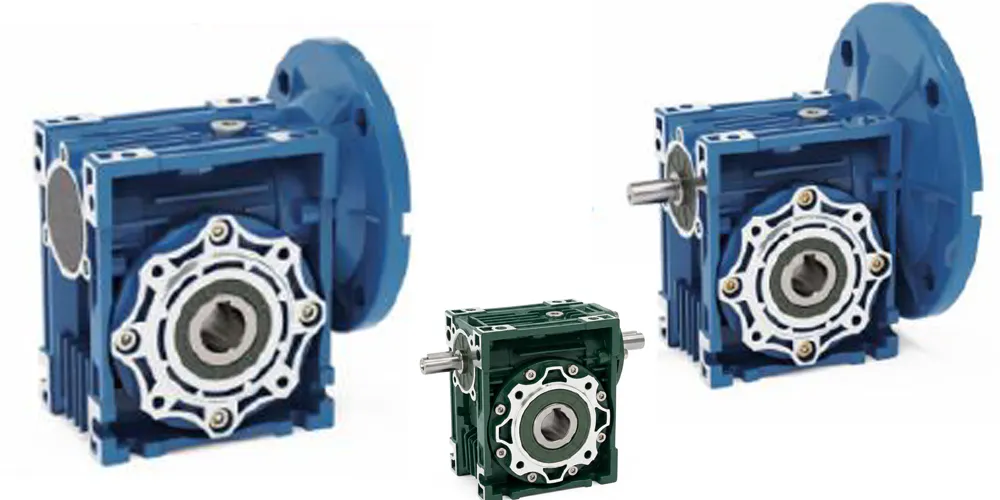
NMRV Worm Reducers — Speed Matching Before the Sprocket Stage
Where a motor's output speed must be reduced before it drives the 081B-1 European Sprockets chain stage, NMRV worm gear reducers provide right-angle speed reduction in ratios from 5:1 to 100:1 in a compact housing footprint. The output shaft bore range of standard NMRV units aligns with the drive bore range of 081B-1 European Sprockets, making the shaft-to-sprocket interface clean and adapter-free in most standard configurations. Pairing an NMRV reducer output directly with a correctly selected European Sprockets drive sprocket is a reliable, low-complexity solution for conveyor heads, agitator drives, and packaging machine main drives. This integrated supply covers both the industrial sprockets & gears and the speed control stage, reflecting the one-stop supply advantage that procurement teams working across Colombian and European industrial markets value most.
8. About Us
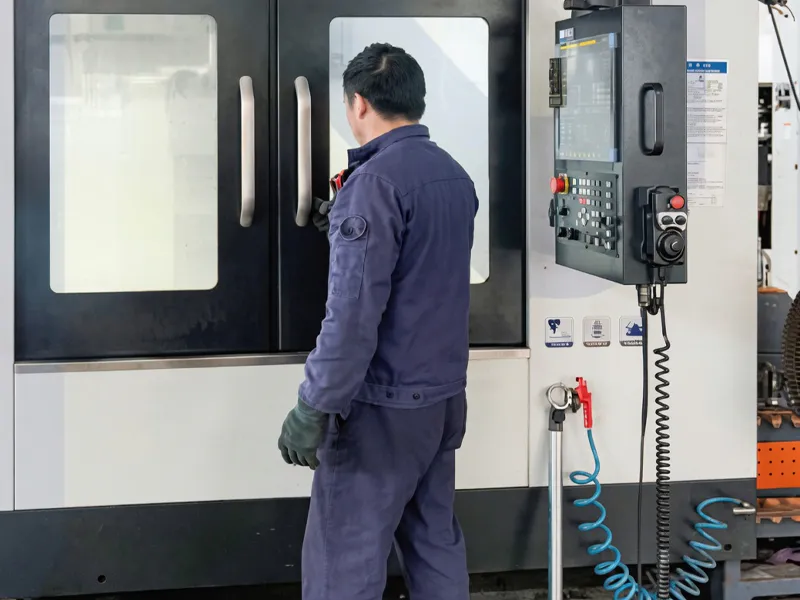
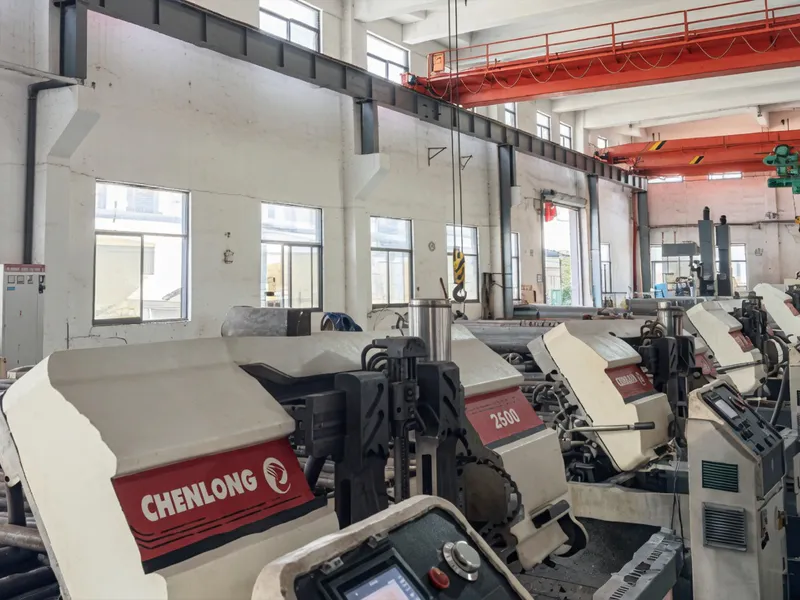
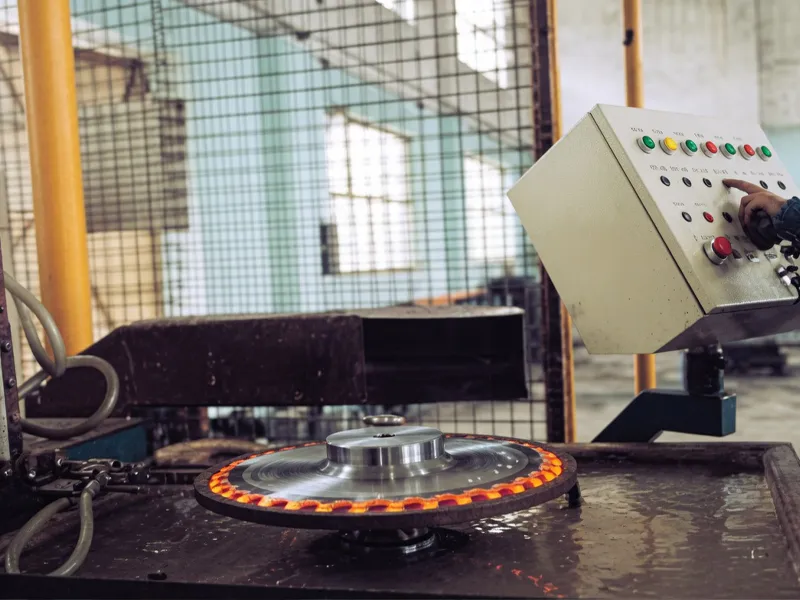
Our company has been dedicated to precision power transmission components since 2010 — more than fifteen years of focused manufacturing experience that shapes every European Sprockets specification we produce. Our production facility runs modern CNC hobbing and machining centres configured specifically for sprockets and gears, maintaining tooth profile tolerances to DIN quality grade levels across every production batch rather than just on qualification samples.
Our sprocket catalogue spans the three principal international standards — European DIN/ISO, American ANSI/ASME, and Asian JIS — and our gear range covers spur gears, bevel gears, and racks to DIN 782. Buyers working across global machinery standards can source compatible components from a single qualified European Sprocket Manufacturer rather than managing three separate qualified supply chains. Each European Sprockets tooth profile is verified against DIN 8187, ANSI B29.1, or JIS B 1801 as applicable; gear tooth accuracy is documented to DIN 3961 / ISO 1328 quality levels.
Warsztat
Często zadawane pytania
Redaktor: PXY